Lately, there’s been a growing fascination with medieval art and architecture, as people seek deeper connections to history through travel and storytelling.
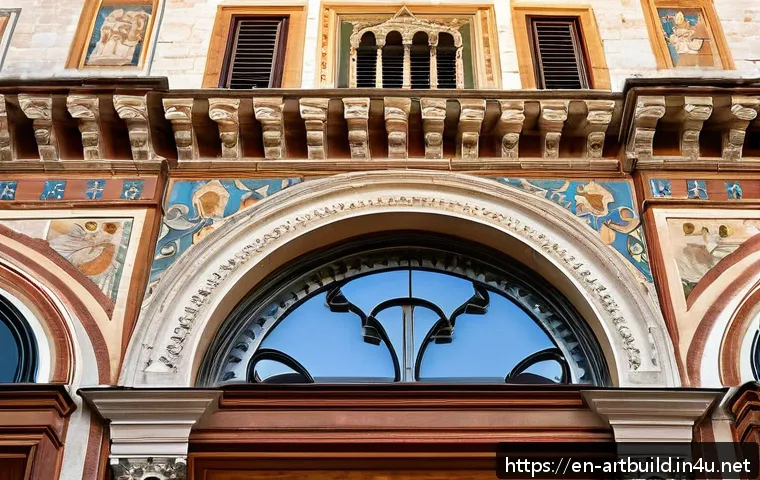
Romanesque architecture, with its robust forms and intricate details, offers a captivating glimpse into Europe’s past. Exploring its key styles and how they vary across regions reveals not only artistic innovation but also cultural exchange during the Middle Ages.
If you’ve ever wondered what makes Romanesque buildings so enduring and unique, you’re in the right place. Let’s dive into this architectural journey together and uncover the secrets behind those ancient stone walls.
Distinctive Structural Features of Romanesque Architecture
Thick Walls and Rounded Arches
Romanesque buildings are instantly recognizable thanks to their massive walls and characteristic rounded arches. Unlike the soaring, slender structures of Gothic cathedrals, Romanesque architecture prioritizes solidity and strength.
Thick stone walls were necessary not only to support the heavy vaulted ceilings but also to convey a sense of protection and permanence. Walking through a Romanesque church, you can almost feel how these walls have withstood centuries of weather and history.
The rounded arches, often seen in windows, doorways, and arcades, create a rhythmic harmony that softens the fortress-like appearance, blending functionality with an understated elegance.
Barrel Vaults and Groin Vaults
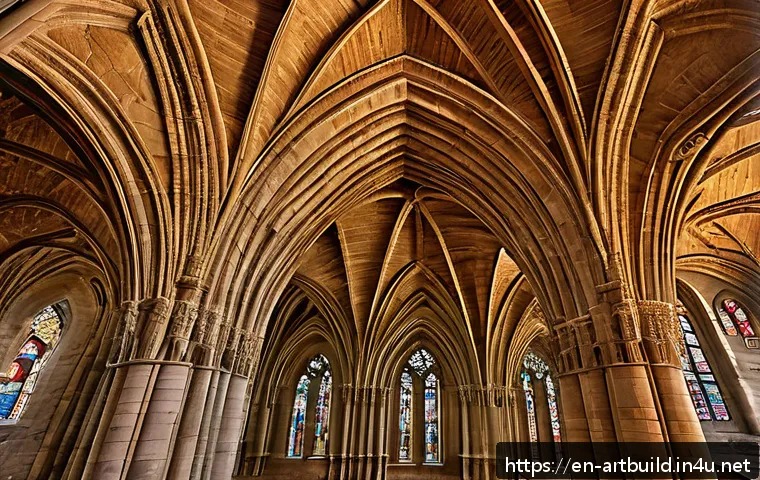
One of the most fascinating engineering achievements in Romanesque architecture is the use of barrel and groin vaults. Barrel vaults, essentially a continuous semicircular arch, allowed builders to span larger spaces than flat wooden ceilings could manage.
Groin vaults, formed by the intersection of two barrel vaults at right angles, provided even greater stability and permitted more complex floor plans.
Experiencing these vaults firsthand, you notice the impressive acoustics and the way light filters down through small windows, creating a mystical atmosphere that enhances the spiritual experience.
These vaulting techniques were revolutionary in their time and set the stage for later architectural advancements.
Small Windows and Dim Interiors
The structural demands of thick walls and heavy vaults meant that Romanesque buildings often have relatively small windows. This limitation resulted in interiors that are dimly lit, evoking a sense of mystery and solemnity.
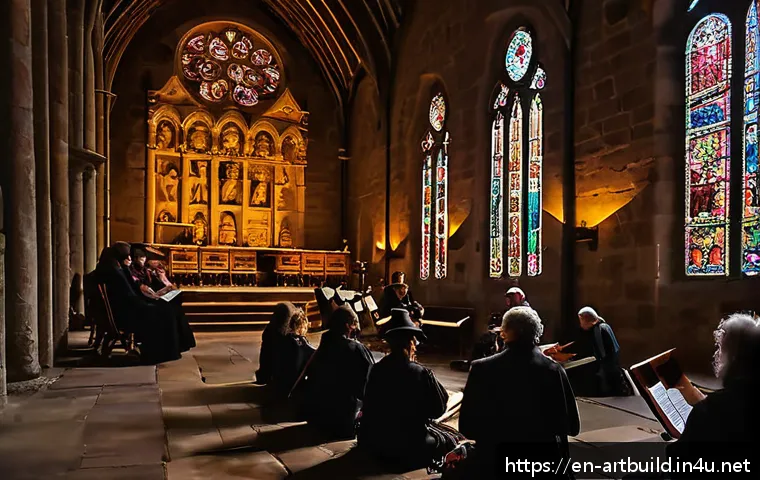
The smaller windows were usually fitted with stained glass or simple geometric designs, casting muted colors and shadows across stone surfaces. While this might seem gloomy compared to modern standards, it was intentional—lighting was used symbolically to represent divine mystery and to focus attention on the altar or religious artwork.
From my visits to several Romanesque churches, the interplay of shadow and light inside always feels like stepping back into a sacred, almost otherworldly space.
Regional Variations Reflecting Local Traditions
Italian Romanesque: Elegance in Simplicity
Italian Romanesque architecture stands out for its blend of classical Roman elements with medieval innovations. Unlike the fortress-like northern counterparts, Italian Romanesque often features more decorative facades, with polychrome marble and intricate geometric patterns.
The use of blind arcades and Corinthian columns adds a touch of classical elegance. Cathedrals like Pisa’s and Modena’s showcase this balance between robust construction and refined detailing.
Having explored these sites, I noticed that Italian Romanesque churches tend to feel lighter and more inviting, reflecting the Mediterranean climate and cultural emphasis on beauty.
French Romanesque: Bold and Monumental
In contrast, French Romanesque architecture emphasizes grand scale and powerful forms. Thick walls, massive towers, and sculptural decoration dominate the scene.
The churches in Burgundy and Normandy reveal a rugged grandeur, with richly carved capitals depicting biblical scenes and fantastical creatures. The cloisters and abbeys here are not just places of worship but also hubs of learning and community.
Walking through the Abbey of Cluny, for example, the scale and detail left me with a deep appreciation for the resources and labor invested in these spiritual centers during the Middle Ages.
German Romanesque: Fusion of Styles
Germany’s Romanesque buildings often combine influences from France and Italy, creating unique hybrids. The use of alternating piers and columns, paired with decorative arcading, results in dynamic interiors.
The Speyer Cathedral is a prime example, where the structural innovation meets artistic flourish. These buildings frequently served as imperial churches, so their design reflects both religious and political aspirations.
Experiencing German Romanesque architecture, I found a striking sense of balance between strength and ornamentation, a visual dialogue between power and faith.
Symbolism Embedded in Romanesque Design
Religious Narratives in Sculptural Decoration
Romanesque architecture is not just about structure; it’s also a canvas for storytelling. Sculpted portals and capitals often depict biblical stories, saints, and moral lessons.
These carvings served an educational purpose in an era when most people were illiterate. Approaching a Romanesque portal, you can see the intricate detail and dramatic expressions that bring these stories to life.
This visual narrative was designed to inspire awe and reinforce faith. From my perspective, the tactile quality of the stone sculptures invites a deeper emotional connection than mere text could achieve.
Geometric Patterns and Sacred Proportions
Beyond figurative art, Romanesque buildings incorporate geometric motifs that symbolize divine order. Circles, squares, and interlacing patterns appear in capitals, arches, and floor mosaics.
These shapes reflect medieval beliefs about the cosmos and the perfection of God’s creation. The careful proportions of the buildings themselves were often based on numerology, with dimensions chosen to convey spiritual meaning.
When visiting these sites, I’ve noticed how these patterns create a sense of harmony that feels both intellectual and deeply spiritual.
Light as a Metaphor
Although Romanesque interiors are dim, the strategic use of light carries profound symbolism. Small windows positioned high on walls allow beams of sunlight to penetrate the gloom, symbolizing divine illumination piercing the earthly realm.
This interplay between darkness and light was intended to evoke contemplation and reverence. Personally, I’ve found that standing in these spaces during morning hours, when sunlight filters through, creates a moment of quiet reflection that feels almost timeless.
Construction Techniques and Materials
Stone Masonry and Durability
Romanesque builders relied heavily on local stone, which influenced the appearance and durability of structures. The labor-intensive process of quarrying, shaping, and assembling massive stone blocks required highly skilled craftsmen.
This commitment to quality explains why many Romanesque buildings have survived in remarkable condition for nearly a millennium. During my visits, I was struck by the tactile sense of permanence conveyed by the rough-hewn stones, each telling a story of medieval craftsmanship and resilience.
Use of Timber and Iron Reinforcement
While stone dominates, timber also played a crucial role, especially in roofing and scaffolding. In some regions, iron clamps and dowels were used to bind stones securely, an early example of metal reinforcement in construction.
This combination of materials not only ensured structural integrity but also allowed for innovative architectural forms. Learning about these techniques made me appreciate the ingenuity and adaptability of medieval builders, who balanced available resources with ambitious design goals.
Challenges of Vaulting and Weight Distribution
The shift from wooden roofs to stone vaulting posed significant engineering challenges. Romanesque architects solved these by creating thick walls and buttresses to counteract lateral forces.
The distribution of weight was carefully managed to prevent collapse, a feat of precision given the limited technology of the era. Observing these solutions in person, I was amazed at how medieval builders combined empirical knowledge with trial and error to achieve such monumental results.
Influence of Romanesque Architecture on Later Styles
Transition to Gothic: Innovations and Continuities
Romanesque architecture set the foundation for the Gothic style that followed. Many early Gothic elements, like pointed arches and ribbed vaults, evolved from Romanesque experiments with form and structure.
Understanding this transition highlights the continuity of medieval architectural innovation. I’ve noticed that visiting Romanesque buildings before Gothic cathedrals provides insight into how medieval architects gradually pushed the boundaries of height, light, and space.
Revival Movements and Modern Inspirations
In the 19th and 20th centuries, Romanesque architecture experienced a revival, influencing churches, civic buildings, and universities worldwide. Architects admired the style’s bold forms and historical gravitas, adapting them to new contexts.
Personally, I find that modern buildings inspired by Romanesque motifs evoke a sense of rootedness and tradition, reminding us of architecture’s power to connect past and present.
Preservation and Restoration Efforts
Preserving Romanesque buildings poses unique challenges due to their age and material fragility. Restoration projects aim to maintain authenticity while adapting structures for contemporary use.
Visiting restoration sites, I observed how experts balance respect for original craftsmanship with modern technology, ensuring these architectural treasures endure for future generations.
Comparative Overview of Romanesque Regional Characteristics
| Region | Key Features | Notable Examples | Material & Decoration |
|---|---|---|---|
| Italy | Classical influences, polychrome marble, blind arcades | Pisa Cathedral, Modena Cathedral | Marble, geometric patterns, Corinthian columns |
| France | Massive towers, sculptural capitals, bold forms | Abbey of Cluny, Saint-Sernin Basilica | Stone, detailed biblical carvings, fortified appearance |
| Germany | Alternating piers and columns, hybrid styles | Speyer Cathedral, Worms Cathedral | Stone, decorative arcading, imperial symbolism |
| England | Norman influence, rounded arches, decorative vaulting | Durham Cathedral, Canterbury Cathedral (early phases) | Stone, ribbed vaults, chevron patterns |
Experiencing Romanesque Architecture Today
Walking Through History
Visiting Romanesque sites offers a tangible connection to the medieval world. The weight of history is palpable as you run your hand along weathered stone or gaze up at vaulted ceilings.
In my experience, these visits are more than sightseeing—they’re moments of immersion into centuries-old stories and spiritual devotion.
Photographic Opportunities and Challenges
Capturing the essence of Romanesque architecture through photography can be tricky due to dim lighting and massive proportions. However, with patience and the right angles, you can highlight the interplay of light and shadow or the intricate stone details.
Over time, I’ve learned that early morning or late afternoon light often yields the most dramatic images.
Community and Cultural Events in Romanesque Spaces
Many Romanesque churches remain active centers of community life, hosting concerts, festivals, and religious ceremonies. Attending these events provides a unique perspective on how these ancient spaces continue to inspire and bring people together.
From personal experience, participating in a medieval music concert inside a Romanesque abbey was a moving reminder of the timeless power of architecture and culture.
In Conclusion
Romanesque architecture offers a fascinating glimpse into medieval ingenuity, blending strength with artistry in ways that still captivate today. Its enduring stone structures and symbolic designs invite us to appreciate a rich cultural heritage. Experiencing these buildings firsthand deepens our understanding of history, spirituality, and craftsmanship. Whether through travel or study, Romanesque architecture continues to inspire and educate.
Useful Information to Keep in Mind
1. Romanesque buildings are characterized by thick walls and rounded arches, designed for durability and a sense of security.
2. Vaulting techniques like barrel and groin vaults allowed for larger, more stable interiors that enhanced acoustics and atmosphere.
3. Small windows create dimly lit interiors that evoke mystery and focus attention on religious elements.
4. Regional styles vary widely—from Italy’s classical elegance to France’s monumental grandeur and Germany’s hybrid designs.
5. Preservation efforts balance historical authenticity with modern needs, ensuring these architectural treasures endure for future generations.
Key Takeaways
Romanesque architecture stands as a testament to medieval craftsmanship and spiritual expression, marked by robust construction and symbolic artistry. Its regional diversity reflects local traditions and resources, while innovative structural techniques paved the way for later styles like Gothic. Understanding these elements enriches our appreciation of historical architecture and its lasting influence in modern design and cultural life.
Frequently Asked Questions (FAQ) 📖
Q: uestions about Romanesque
A: rchitecture
Q: What are the defining characteristics of Romanesque architecture?
A: Romanesque architecture is best known for its massive quality and thick walls, rounded arches, sturdy piers, large towers, and decorative arcading. These elements create a sense of solidity and permanence.
The style often includes small windows and barrel or groin vaults, which help support the heavy stone roofs. From my visits to several Romanesque churches, I noticed how these features give the buildings a fortress-like feel, making them both functional and visually striking.
Q: How does Romanesque architecture differ across European regions?
A: While the core elements of Romanesque architecture remain consistent, regional variations are quite fascinating. For example, in France, you’ll find elaborate sculptural decorations on portals and capitals, while in Italy, there’s a stronger influence of classical Roman forms and lighter, more colorful materials.
In Germany, the buildings often have a more monumental and austere appearance. Traveling through these regions, I was amazed by how local culture, available materials, and historical influences shaped each unique interpretation of the Romanesque style.
Q: Why have Romanesque buildings remained so enduring and significant today?
A: Romanesque buildings have stood the test of time largely because of their robust construction and the skillful use of stone. Their thick walls and arches distribute weight efficiently, preventing collapse over centuries.
Beyond their physical durability, these buildings embody the medieval worldview and cultural identity, serving as historical markers of faith, power, and community.
Personally, exploring these ancient spaces gave me a tangible connection to the past, making history feel alive and relevant even today.