In today’s fast-paced world, where urban living spaces are shrinking yet our needs keep expanding, finding clever ways to maximize every square foot has become essential.
More than ever, innovative architectural designs are stepping up to transform compact areas into functional, stylish homes. Whether you’re in a bustling city apartment or a cozy suburban house, these space-saving solutions can breathe new life into your living environment.
I’ve personally explored some of these creative ideas and can attest to how they effortlessly blend practicality with aesthetic appeal. Stick around to discover how you can unlock hidden potential in your own home without sacrificing comfort or style.
This is more than just design—it’s about enhancing your lifestyle in the most efficient way possible.
Transforming Vertical Spaces for Maximum Impact
Utilizing Wall Niches and Recessed Storage
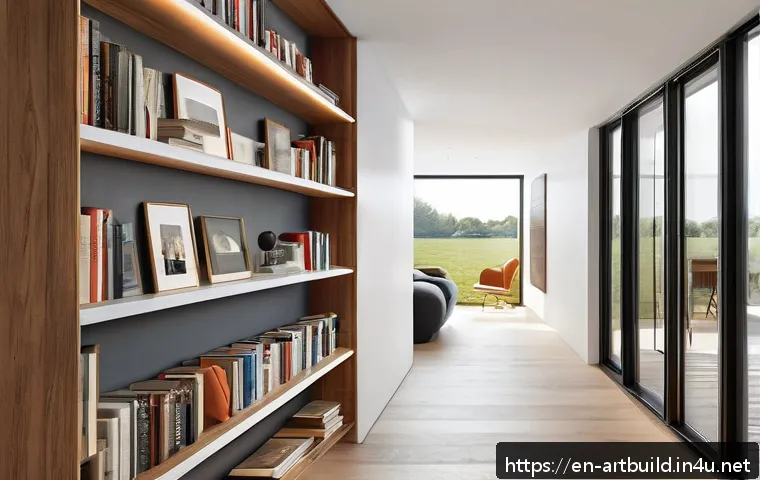
In many homes, wall niches are often overlooked, but these shallow recesses can be transformed into stylish storage or display zones. By incorporating custom shelving or cabinets within these spaces, you create functional storage that doesn’t encroach on your floor area.
I once revamped a hallway with built-in shelves inside a wall niche, and it immediately gave the corridor character while offering a perfect spot for books and decorative items.
This approach is especially beneficial in narrow spaces where every inch counts. Beyond practicality, recessed storage also reduces clutter, making your home feel more open and inviting.
Lofted Beds and Elevated Workstations
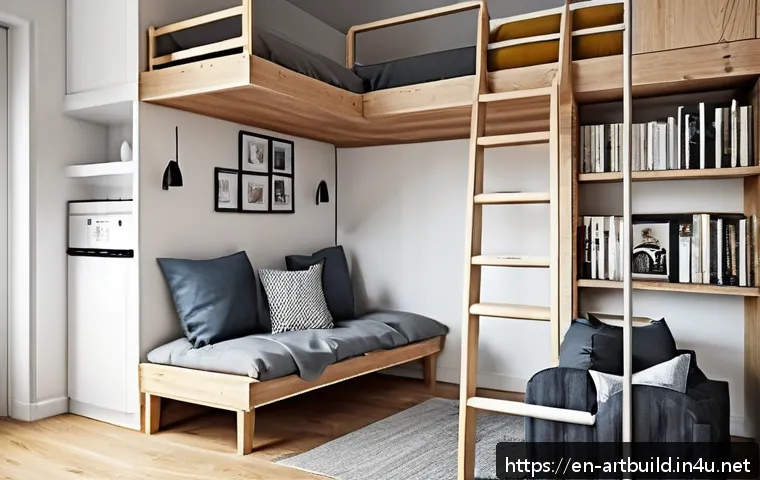
Raising beds or desks off the ground opens up precious floor space beneath for other uses. Lofted beds are a game-changer in studio apartments or kids’ rooms, providing room for a cozy reading nook, storage bins, or even a small seating area underneath.
Similarly, an elevated workstation can free up space for filing cabinets or exercise equipment below. I tried this in my own home office, and it instantly enhanced functionality without sacrificing comfort.
The key is ensuring sturdy construction and safe access, often using ladders or stairs with built-in storage to double down on efficiency.
Ceiling-Mounted Storage Solutions
Many homeowners forget about the vertical real estate above their heads. Ceiling-mounted racks or hanging storage systems can be perfect for items that aren’t used daily but still need to be accessible—think seasonal gear, extra luggage, or rarely worn clothing.
I installed a ceiling rack in my garage that cleared out years of clutter and made it much easier to find what I needed without tripping over boxes. These systems are especially useful in urban homes where floor and wall space are premium commodities.
Multipurpose Furniture: The Backbone of Compact Living
Fold-Down Tables and Wall Beds
Fold-down tables and Murphy beds have long been staples of small-space living, but modern designs now offer sleek aesthetics that blend seamlessly with your décor.
These pieces allow you to switch between living, dining, or sleeping zones without dedicating permanent space to any one function. I’ve found that having a fold-down table in my dining area not only saves space but also encourages more social interaction since it can be tucked away when not in use.
Similarly, a wall bed in a guest room ensures it remains functional without feeling cramped.
Convertible Sofas and Modular Seating
Sofas that transform into beds or modular seating that can be rearranged to suit different occasions provide flexibility and comfort. I once hosted a weekend gathering where my modular couch was easily shifted to create a larger seating area, then converted into a guest bed overnight.
This adaptability means your furniture works as hard as you do, adjusting to your lifestyle needs without overwhelming your space. Comfort shouldn’t be compromised just because your room is small, and these solutions prove it perfectly.
Storage-Integrated Furniture Pieces
Furniture that doubles as storage—like ottomans with hidden compartments, beds with drawers underneath, or coffee tables with shelving—maximizes every inch without adding clutter.
I invested in a storage ottoman for my living room and was amazed at how much extra space it created for blankets, magazines, and electronics. The beauty of these pieces lies in their dual purpose: they maintain style while solving storage challenges in a subtle, efficient way.
Smart Partitioning for Open-Concept Flexibility
Sliding Panels and Room Dividers
Open floor plans are trendy but can sometimes feel too expansive or lack privacy. Sliding panels or folding room dividers offer a dynamic solution, letting you customize your space as needed.
I installed sliding panels in my studio apartment, which allowed me to separate the bedroom from the living area during nighttime, then fold them away to create a larger, airy feel during the day.
This kind of flexibility is invaluable in urban dwellings where the same room often serves multiple functions.
Bookshelves as Functional Walls
Using tall bookshelves as room dividers not only delineates space but also provides storage and display opportunities. This dual-purpose strategy was a revelation in my small apartment, where a bookshelf partition created a cozy home office nook without cutting off natural light.
Plus, it adds personality and warmth, transforming a simple divider into a design feature.
Textile and Curtain Solutions
Heavy curtains or fabric panels can be an unexpected yet effective way to partition rooms temporarily. They’re easy to install, can be drawn back or closed as needed, and come in countless colors and textures to complement your décor.
I’ve used blackout curtains to separate sleeping areas from living spaces, which helped create a sense of privacy and reduced noise, making the apartment feel larger and more organized.
Innovative Kitchen and Bathroom Hacks
Pull-Out Pantry and Compact Appliances
In small kitchens, every cabinet and counter inch counts. Pull-out pantries with slim profiles fit into narrow spaces, keeping your essentials organized and easy to access.
I swapped out bulky shelves for a pull-out pantry in my kitchen, and it was a revelation—no more digging through cluttered cabinets. Likewise, compact appliances designed for small spaces maintain functionality without overwhelming the room, from slim dishwashers to two-burner cooktops.
Wall-Mounted Fixtures and Floating Vanities
Bathrooms can feel cramped, but floating vanities and wall-mounted sinks open up floor space and lend a modern, airy vibe. I installed a floating vanity in my guest bathroom, and it instantly felt more spacious and easier to clean underneath.
Wall-mounted faucets and towel racks also keep things off counters and floors, reducing clutter and improving flow.
Multipurpose Shower and Storage Combos
Integrating storage shelves or niches within the shower enclosure helps keep toiletries organized without bulky caddies. Some designs even combine seating with storage, offering a place to sit or stash products.
I added a recessed shower niche with multiple shelves, which eliminated the need for extra racks and made the space feel sleek and intentional.
Creative Lighting to Enhance Space Perception
Layered Lighting for Depth and Warmth
Lighting isn’t just about visibility; it shapes how we experience space. Layering ambient, task, and accent lighting creates depth and warmth, making even small rooms feel inviting and larger.
I experimented with recessed ceiling lights combined with strategically placed floor lamps and under-cabinet lights in my kitchen, and the transformation was remarkable.
Shadows softened, and corners felt less confined.
Mirrors and Reflective Surfaces
Mirrors amplify light and visually expand rooms, a trick I’ve found invaluable in my apartment’s compact bathroom and hallway. Placing mirrors opposite windows or light sources reflects daylight and artificial light alike, creating an illusion of more space.
Glossy surfaces on furniture or tiles also contribute to this effect, bouncing light around and adding a touch of elegance.
Smart Lighting Controls
Dimming options and programmable lighting systems allow you to adjust brightness to suit mood and time of day. In my experience, being able to soften lights in the evening or brighten them during work hours made my home feel more responsive and comfortable.
Plus, smart bulbs often save energy, which is a win-win in any household.
Optimizing Entryways and Hallways
Compact Shoe and Coat Storage
Entryways often become dumping grounds for shoes and coats, creating clutter that makes small spaces feel even tighter. Installing slim cabinets, wall hooks, or bench storage with shoe compartments can keep this area tidy and functional.
I installed a narrow bench with cubbies underneath in my foyer, which not only provided seating to put on shoes but also concealed them neatly. This small change made a huge difference in daily convenience and visual appeal.
Mirrored Entryway Features
Adding a large mirror near the door is a classic trick to enhance light and space perception. It also offers a last-minute check before heading out. I chose a floor-to-ceiling mirror with a slim frame, which visually doubled the size of my hallway while serving a practical purpose.
Decorative yet Functional Wall Elements
Hooks, small shelves, and narrow console tables provide surface space for keys, mail, and accessories without crowding the entryway. I used a floating shelf with a small bowl for keys and a few hooks for bags, which helped keep the area organized and welcoming.
These elements blend utility with style, ensuring the first impression of your home is always neat and inviting.
| Space-Saving Idea | Key Benefits | Best For | Personal Experience |
|---|---|---|---|
| Wall Niches | Utilizes unused wall depth, adds storage without taking floor space | Hallways, narrow rooms | Transformed a hallway with built-in shelves, improved aesthetics and storage |
| Lofted Beds | Creates usable space underneath for seating or storage | Studios, kids’ rooms | Added a lofted bed in a guest room, freed up space for a desk |
| Fold-Down Tables | Flexible dining or work surface, tucks away when not needed | Small dining areas, multipurpose rooms | Used a fold-down table in my dining nook, enhanced usability |
| Sliding Panels | Creates privacy, flexible room division | Open floor plans, studios | Installed sliding panels to separate bedroom and living space |
| Pull-Out Pantry | Maximizes narrow kitchen spaces, organized storage | Small kitchens | Replaced bulky shelves with pull-out pantry, easier access to items |
| Floating Vanity | Opens floor space, modern look | Small bathrooms | Installed floating vanity, bathroom felt larger and cleaner |
| Layered Lighting | Creates depth, enhances mood and space perception | All rooms | Combined recessed and task lighting, improved ambiance |
| Entryway Bench with Storage | Organizes shoes and bags, provides seating | Foyers, small entryways | Installed bench with cubbies, made entryway neat and functional |
Maximizing Outdoor Areas as Extensions of Living Space
Balcony Gardens and Vertical Planters
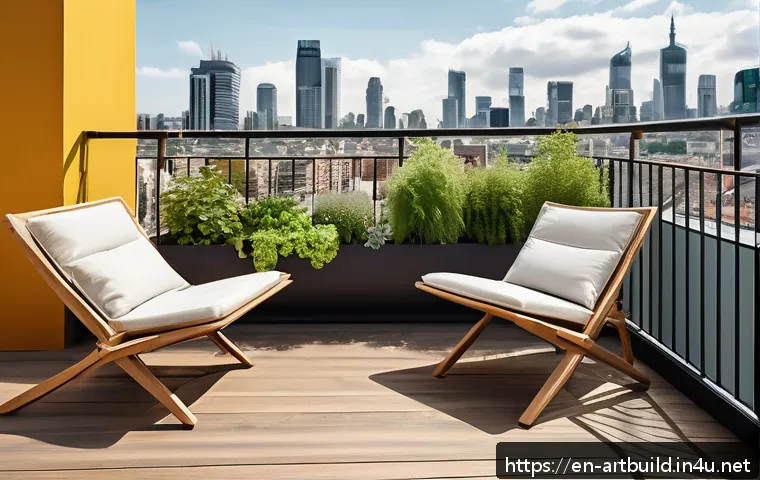
Even tiny balconies can become lush retreats with vertical planters and compact garden setups. I created a vertical herb garden on my apartment balcony, which added greenery without sacrificing floor space.
It’s surprising how such additions improve mental well-being and make outdoor areas feel like an extension of your home.
Foldable Outdoor Furniture
Foldable chairs and tables allow you to enjoy fresh air without permanently occupying limited balcony space. After trying foldable seating, I found it easy to set up a cozy spot for morning coffee and then fold everything away to keep the area uncluttered.
Multi-Use Outdoor Storage
Outdoor benches with storage compartments or deck boxes serve double duty, providing seating while stashing cushions, tools, or seasonal items. I invested in a storage bench and was thrilled by how much it simplified my balcony organization, making the space more inviting and practical.
Embracing Minimalism to Enhance Function and Feel
Decluttering with Purpose
Minimalism isn’t just a trend; it’s a lifestyle that encourages keeping only what adds value or joy. I started regularly evaluating my belongings, donating or recycling items I no longer used.
The result was more space, less stress, and an easier-to-maintain home.
Choosing Quality over Quantity
Investing in fewer, better-quality pieces means your home feels curated and comfortable rather than overcrowded. For instance, a well-made sofa or dining set can serve you for years and become the centerpiece of your room, reducing the need for extra furniture.
Mindful Decoration for Visual Calm
Limiting decorative items to a few meaningful pieces prevents visual overload. I found that simple art, a few plants, and clean lines made my living space feel peaceful and expansive, even within a small footprint.
This approach enhances both function and aesthetics in compact homes.
In Conclusion
Maximizing vertical spaces and choosing multifunctional furniture can truly transform small living areas into efficient, stylish homes. From clever storage solutions to smart lighting, these strategies help create more room without sacrificing comfort or design. Embracing flexibility and minimalism ensures your space feels open, organized, and welcoming. With a little creativity, even the smallest areas can have a big impact on daily living.
Helpful Tips to Remember
1. Prioritize vertical storage to free up floor space and reduce clutter effectively.
2. Invest in multipurpose furniture that adapts to your lifestyle and saves space.
3. Use flexible partitions like sliding panels or bookshelves to create privacy when needed.
4. Incorporate layered and smart lighting to enhance the perception of space and mood.
5. Maintain a minimalist mindset by decluttering regularly and focusing on quality over quantity.
Key Takeaways
Optimizing small spaces relies on thoughtful design choices that maximize every inch without overcrowding. Vertical storage, multifunctional furniture, and adaptable partitions are essential tools for creating versatile rooms. Lighting plays a crucial role in shaping ambiance and perceived spaciousness, while minimalism supports a calm and organized environment. Remember, the goal is to balance practicality with style, ensuring your home feels both functional and inviting.
Frequently Asked Questions (FAQ) 📖
Q: How can I make a small apartment feel more spacious without major renovations?
A: One of the best ways to open up a small apartment is by using multifunctional furniture—think sofa beds, fold-out tables, or storage ottomans. Mirrors also work wonders to reflect light and create an illusion of depth.
When I tried swapping bulky furniture for sleek, modular pieces, the difference was night and day. Keeping color schemes light and using vertical storage helps, too.
These small changes don’t require construction but make your space feel airy and organized.
Q: What are some creative storage solutions for homes with limited square footage?
A: Clever storage is a game-changer in compact homes. I personally love using under-bed drawers, wall-mounted shelves, and built-ins wherever possible. Don’t overlook vertical spaces like above door frames or inside closets with hanging organizers.
Hooks and pegboards in kitchens and bathrooms can keep essentials accessible yet out of the way. Investing in furniture with hidden compartments also keeps clutter out of sight, making your home feel calm and tidy.
Q: How can I balance style and functionality in a small living space?
A: Style and function don’t have to be at odds. From my experience, choosing pieces that serve more than one purpose, like a stylish bench with storage or a chic foldable dining set, nails both goals.
Mixing textures and adding personal touches like plants or artwork keeps the space inviting without overcrowding it. Prioritize quality over quantity—opt for a few statement items that work hard rather than filling every corner.
This approach creates a home that feels both beautiful and practical.