Hey there, design aficionados! Have you ever walked into a coffee shop or a cool new restaurant and just felt that immediate ‘vibe’? That raw, edgy, yet incredibly chic atmosphere that screams urban cool?
Chances are, you were soaking in the magic of industrial-style architecture, a trend that’s absolutely everywhere these days, from bustling city lofts to suburban homes looking for a unique twist.
I remember when I first stumbled upon an old warehouse conversion in Brooklyn years ago; the exposed brick and raw concrete weren’t just structural elements, they were the stars of the show, telling a story of history and transformation.
It totally changed my perspective on what ‘beautiful’ can mean in design. What I’ve seen lately, and honestly, what really excites me, is how this style is evolving, incorporating sustainable practices and smart tech without losing its authentic charm.
It’s more than just a look; it’s a celebration of functionality and honesty in materials, perfectly blending the past with our modern lives. Ready to dive deep into why industrial design isn’t just a fleeting fad but a timeless aesthetic with a fascinating future?
Let’s unlock all its secrets right now.
Reclaiming the Past: The Enduring Charm of Industrial Roots
The Genesis of Grunge Glamour
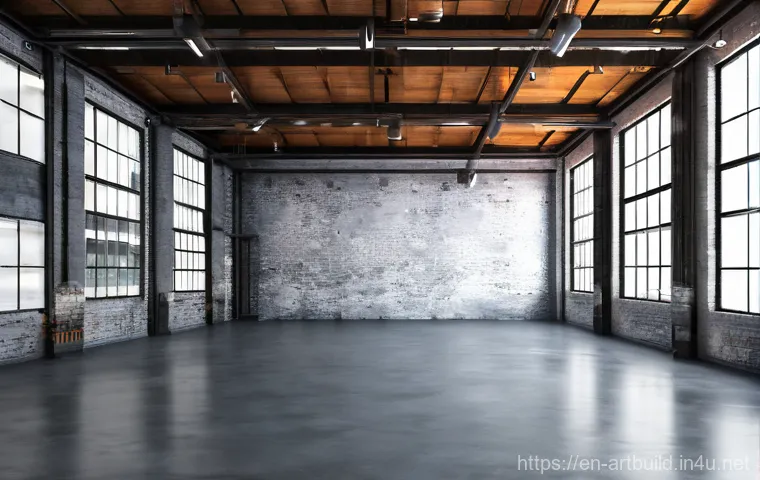
You know, it’s wild how some of the most beautiful design aesthetics spring from pure necessity. When I first visited those sprawling warehouses in Brooklyn, the sheer scale of the buildings, with their towering ceilings and massive windows, just blew me away.
These weren’t built to be chic apartments or trendy offices; they were workhorses, machines of industry. The exposed steel beams, the rough concrete floors, the weathered brick – they were all just part of the functional fabric.
But somewhere along the line, someone saw the inherent beauty in that raw honesty, that unpretentious truth of materials. It wasn’t about hiding flaws; it was about celebrating them.
I remember a friend of mine, an artist, who converted an old textile factory in Manchester into his studio and living space. He painstakingly stripped back layers of paint to reveal the original brickwork and kept the old, massive freight elevator door as a feature in his living room.
It wasn’t just a design choice; it was like he was preserving a piece of history, letting the building tell its own story. That’s the magic, isn’t it?
Taking something functional and giving it a second life, imbuing it with a new kind of elegance that speaks volumes without ever trying too hard. It’s a testament to the idea that true beauty often lies in imperfection and authenticity, something I’ve truly come to appreciate over the years.
From Factory Floors to Fabulous Lofts
What started as a practical solution for repurposing abandoned industrial buildings has truly blossomed into a global design phenomenon. Think about the iconic lofts in New York City or the converted mills in London – they’re not just homes; they’re statements.
The key elements that define this style, like visible ductwork, large windows that flood spaces with natural light, and the deliberate absence of finishing materials, all contribute to a sense of spaciousness and an almost gallery-like feel.
I’ve always been fascinated by how these seemingly ‘unfinished’ elements actually create a sense of completion, a deliberate aesthetic choice. It’s like the building itself is breathing, showing you its bones.
I remember working on a project with a client who wanted to bring this vibe into their suburban home, not a factory conversion, but a new build. We used reclaimed wood beams, poured concrete countertops, and even left some electrical conduits exposed.
The challenge was making it feel authentic, not forced. The trick, I realized, was to balance the raw elements with warmth and comfort, preventing it from feeling cold or sterile.
It’s that delicate dance between ruggedness and refinement that really makes the industrial style sing.
Beyond the Brick: Modern Twists on an Enduring Aesthetic
Softening the Edges: A Fusion of Styles
The industrial look, as much as I adore its raw charm, isn’t a one-size-fits-all kind of deal anymore. We’ve moved past the initial, sometimes stark, interpretations.
What I’m seeing now, and honestly, what I’m totally loving, is how designers are brilliantly blending industrial elements with other styles to create something truly unique and incredibly inviting.
Think about it: a sleek, modern kitchen with concrete countertops and open shelving, but then you add a plush velvet sofa in the living area, or a gorgeous antique wooden dining table.
It instantly softens the edges, right? It brings in a layer of unexpected warmth and personality. I recently visited a coffee shop in Portland, Oregon, that nailed this.
They had all the industrial staples – exposed pipes, reclaimed wood, Edison bulbs – but then they threw in these beautiful, botanical wallpaper accents and an abundance of lush plants.
It transformed the space from potentially stark to an absolute urban oasis. It proves that you don’t have to commit 100% to one style; the beauty is in the thoughtful juxtaposition, creating a space that feels curated and genuinely lived-in.
It’s like a good friendship – different personalities coming together to make something stronger and more interesting.
Industrial’s Global Influence and Local Flavor
It’s fascinating how a style born in the gritty urban centers of the West has resonated across the globe, taking on unique characteristics in different cultures.
While the core elements remain – raw materials, open spaces – the way they’re interpreted varies wonderfully. In some parts of Asia, for instance, you might see industrial spaces infused with minimalist Japanese aesthetics, using lighter wood tones and more refined metalwork.
In parts of Europe, especially places with a rich history of craftsmanship, the industrial look often incorporates more bespoke, artisanal details, perhaps hand-forged steel or custom-designed reclaimed furniture.
I remember seeing a stunning restaurant in Berlin that used industrial elements but layered them with incredibly rich textiles and dark, moody lighting, creating a very sophisticated, almost gothic industrial feel.
It wasn’t just a carbon copy of a Brooklyn loft; it had its own distinct European soul. This adaptability is, in my opinion, one of the biggest reasons why industrial design isn’t going anywhere.
It’s not just a trend; it’s a flexible framework that allows for incredible personal expression and cultural interpretation, making it feel fresh and relevant no matter where you are or what your personal taste leans towards.
Sustainable Edge: Eco-Conscious Industrial Design
The Green Side of Gritty Aesthetics
Okay, let’s talk sustainability, because if you’re like me, you’re constantly thinking about how we can make our living spaces not just beautiful, but also responsible.
And guess what? Industrial design actually has a fantastic head start in this department. Its core philosophy is all about repurposing and celebrating materials in their raw state, which inherently reduces waste and the need for new resources.
Think about it: using reclaimed wood from old barns, salvaged metal from forgotten factories, or even upcycled concrete – these aren’t just trendy choices; they’re deeply eco-friendly ones.
I’ve been following a brilliant designer in London who specializes in turning old shipping containers into modern, compact homes, and the results are absolutely mind-blowing.
It’s not just about saving money; it’s about minimizing environmental impact and breathing new life into materials that might otherwise end up in a landfill.
The natural inclination towards durable, long-lasting materials like steel and concrete also means less frequent replacements, further contributing to a lower carbon footprint.
It’s a philosophy that really resonates with me – beauty that doesn’t cost the earth, literally.
Innovation in Eco-Friendly Materials
The industrial style isn’t just about reusing old stuff; it’s also at the forefront of adopting innovative, sustainable materials. We’re seeing a fantastic push towards creating new materials that mimic the raw, authentic look of concrete or metal but are actually much greener.
For instance, there are now incredible composite materials made from recycled plastics that look exactly like polished concrete but are lighter and have less environmental impact during production.
Or what about low-VOC (Volatile Organic Compounds) paints and finishes that allow for that unfinished look without releasing harmful chemicals into your home?
I recently worked on a project where we used a new type of engineered wood that incorporated recycled sawdust, giving us that raw, reclaimed wood aesthetic but with superior durability and a much smaller ecological footprint.
It’s a game-changer! The focus isn’t just on the visual appeal anymore; it’s on the entire lifecycle of the materials we bring into our homes. This commitment to both aesthetics and ethics is what makes industrial design truly exciting for the future.
Tech Meets Texture: Smart Homes in Industrial Settings
Seamlessly Integrating Smart Solutions
Here’s where it gets really cool: blending cutting-edge smart home technology with the rugged charm of industrial design. At first glance, you might think these two are at odds – one is all about raw, exposed elements, and the other is sleek, hidden, and digital.
But I’ve found that they actually complement each other beautifully, creating spaces that are not only stylish but also incredibly functional and efficient.
Imagine walking into a loft with exposed brick walls and concrete floors, but with lighting that adjusts automatically to the time of day, a thermostat that learns your habits, and speakers seamlessly integrated into the ceiling that deliver incredible sound without any visible clutter.
The key is thoughtful integration. I’ve seen some incredible examples where smart panels are housed within custom-built, industrial-style enclosures made from reclaimed metal, or where subtle sensors are embedded directly into raw wooden beams.
It’s about making the tech disappear into the background, letting the authentic materials shine, while still enjoying all the conveniences of a modern connected home.
The Future is Smart and Stylish
The evolution of smart home tech is constantly opening up new possibilities for industrial spaces. With wireless solutions becoming more robust and miniaturized, we can achieve incredible levels of automation and control without compromising the aesthetic integrity of an exposed, minimalist environment.
Think about smart blinds that mimic the look of classic factory windows but can be controlled with a voice command, or intelligent air purification systems hidden within vintage-style ventilation ducts.
I predict we’ll see even more innovations in invisible technology – surfaces that double as touch controls, or projection systems that create dynamic art on raw walls.
The beauty of industrial design is its inherent honesty and celebration of function, and smart tech, when applied thoughtfully, simply enhances that functionality.
It’s about creating an environment where the past meets the future in the most harmonious way, making our homes not just places to live, but intelligent partners in our daily lives.
Making it Yours: Personalizing Your Urban Oasis
Infusing Personality into Raw Spaces
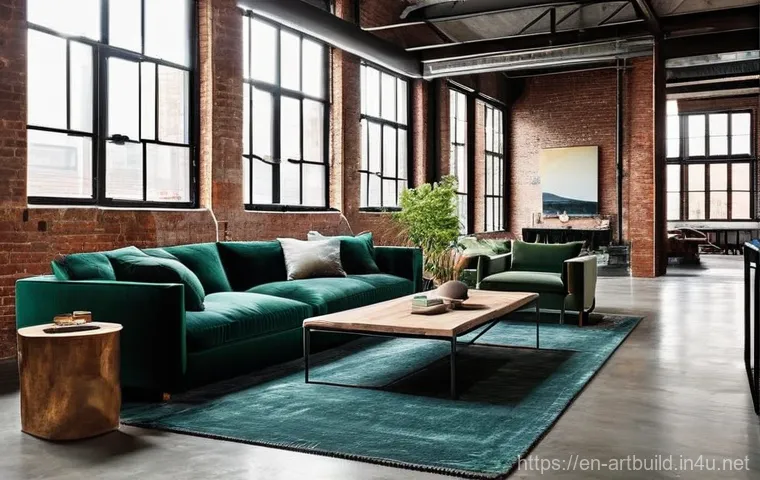
While the bones of industrial design are undeniably strong and distinctive, what truly brings these spaces to life is the personality you infuse into them.
It’s not about creating a sterile showroom; it’s about crafting a home that tells your story. I’ve seen so many people hesitant, thinking industrial means cold or uninviting, but that couldn’t be further from the truth!
It’s actually the perfect canvas for expressing yourself. Think about adding layers of textiles – plush rugs, soft throws, rich curtains – to balance the hard surfaces.
Bring in artwork that speaks to you, whether it’s vibrant modern pieces or vintage finds. One of my favorite examples is a client who collected antique globes and maps; we created a stunning display against their exposed brick wall, instantly adding warmth and a sense of wanderlust to the space.
It’s those personal touches, the things you truly love, that transform a cool industrial shell into a cozy, character-filled haven. Don’t be afraid to mix and match; that’s where the magic truly happens, reflecting your unique journey and aesthetic.
Balancing Form and Function for Daily Living
Creating a functional yet stylish industrial home is all about striking the right balance. It’s easy to get carried away with the aesthetics, but remember, your home needs to work for *you*.
This often means thoughtful storage solutions that don’t detract from the open feel. Instead of bulky cabinets, consider sleek, minimalist built-ins that blend with the architecture, or freestanding metal shelving units that lean into the industrial vibe while keeping clutter at bay.
Lighting is another crucial element. While oversized pendant lights are iconic, make sure you have a layered lighting scheme – ambient, task, and accent lighting – to create different moods and ensure every area is well-lit for its purpose.
I always tell my clients to think about their daily routines. Do you work from home? Dedicate a specific, well-lit corner.
Do you love to entertain? Ensure your kitchen and dining areas are not just beautiful but also practical for hosting. It’s about designing a space where the industrial elements enhance, rather than hinder, your everyday life, making it a joy to inhabit.
| Industrial Design Element | Typical Material | Aesthetic/Functional Benefit |
|---|---|---|
| Exposed Brick Walls | Reclaimed Brick, Brick Veneer | Adds texture, warmth, historical character; excellent for sound dampening. |
| Concrete Floors/Countertops | Polished Concrete, Micro-cement | Durable, easy to clean, thermal mass for energy efficiency, minimalist look. |
| Exposed Ductwork & Pipes | Galvanized Steel, Copper | Showcases structural honesty, adds visual interest, often cost-effective. |
| Large Windows | Steel-framed Glass, Aluminum | Maximizes natural light, creates an open feel, connects interior with exterior. |
| Metal Accents | Black Steel, Cast Iron, Copper | Provides contrast, durability, reinforces the industrial aesthetic, often used in lighting or furniture. |
The Investment Angle: Why Industrial Style Holds Its Value
A Timeless Appeal in Real Estate
Let’s talk brass tacks for a moment, because while we all love beautiful design, it’s also smart to think about the long-term value of our choices, especially when it comes to our homes.
What I’ve consistently observed in the real estate market, particularly in urban and up-and-coming areas, is that industrial-style properties tend to hold their value incredibly well, often appreciating significantly.
Why? Because it’s not a fleeting trend. The core elements – the robust materials, the open layouts, the sense of history – are inherently timeless.
People aren’t just buying a house; they’re buying into a lifestyle, a narrative. A well-executed industrial conversion or a home that thoughtfully incorporates these elements stands out in a crowded market.
I recall a client who invested in an old factory building in a less-than-trendy neighborhood years ago, skeptical about its resale potential. Fast forward to today, and that property is one of the most sought-after addresses in the area, largely because its unique industrial character has become a highly desirable feature.
It’s about enduring appeal, not just momentary fashion.
Durability and Low Maintenance: A Smart Choice
Another huge factor in the enduring value of industrial design is its inherent durability and, frankly, its low-maintenance nature. Think about those raw concrete floors – they can withstand practically anything you throw at them and age beautifully.
Exposed brick doesn’t need repainting every few years; it just gets better with time, developing a rich patina. Steel beams and metal fixtures are incredibly robust and require minimal upkeep.
This isn’t just about saving money on maintenance; it’s about saving time and effort, which, let’s be honest, is a huge luxury in our busy lives. As an influencer, I’m always looking for designs that offer real-world benefits, and the resilience of industrial materials is a major selling point.
For homeowners, it means less worry about wear and tear, and for potential buyers, it signals a well-built, no-fuss property. It’s an intelligent investment that pays off not just aesthetically, but practically, making it a truly smart choice for those looking for both style and substance.
Future Forward: What’s Next for This Timeless Trend
Evolving with Urban Living and Beyond
So, where do we go from here with industrial design? I truly believe we’re just scratching the surface of its potential. As urban populations continue to grow and space becomes a premium, the industrial aesthetic, with its emphasis on open-plan living and multi-functional spaces, will become even more relevant.
We’ll see it adapting to smaller footprints, perhaps integrating even more clever storage solutions and modular furniture that complements the raw elements.
Beyond the cities, I envision industrial influences making their way into more unexpected places – perhaps integrated into rural retreats, bringing a touch of modern grit to traditional landscapes, or even inspiring entirely new forms of architecture that blend old-world charm with cutting-edge construction.
It’s not about replicating the past; it’s about taking the *spirit* of industrial design – its honesty, its functionality, its celebration of materials – and applying it to new challenges and environments.
The beauty of this style is its inherent adaptability, allowing it to continuously evolve and remain fresh in an ever-changing world.
The Human Element: Craftsmanship and Community
One aspect of industrial design that I’m particularly excited to see grow is an even stronger emphasis on the human element: craftsmanship and community.
While the style started with mass production, its modern interpretation often highlights bespoke pieces and local artisans. Imagine hand-forged metalwork, custom-made furniture from reclaimed materials, or unique art installations that complement the raw backdrop.
This focus on unique, handmade elements adds a layer of soul and story to industrial spaces, preventing them from feeling cold or impersonal. Furthermore, I believe we’ll see more industrial-inspired community spaces – co-working hubs, art studios, and even micro-breweries – that foster connection and creativity.
These spaces leverage the open, adaptable nature of industrial buildings to create environments where people can gather, collaborate, and innovate. It’s about more than just aesthetics; it’s about building spaces that truly serve and inspire the people who inhabit them, making industrial design not just beautiful, but also deeply meaningful.
Wrapping Things Up
Well, we’ve journeyed through the raw beauty and remarkable adaptability of industrial design, haven’t we? What I truly love about this style is how it beautifully bridges the gap between our past and our future, celebrating the honest truth of materials while eagerly embracing innovation. It’s more than just an aesthetic; it’s a mindset that encourages us to see beauty in the unconventional and to create spaces that are deeply personal and genuinely inspiring. When you strip away the unnecessary, you find a foundation that allows your unique story to shine through, and that, my friends, is the real magic of industrial design. It’s a style that keeps giving, evolving, and inviting us to make it our very own.
Useful Tips to Know
1. Don’t be afraid to mix and match! While industrial design loves its raw elements, introducing softer textures like plush rugs, velvet cushions, or flowing curtains instantly adds warmth and makes the space feel more inviting and livable.
2. Layer your lighting to create mood and functionality. Beyond those iconic pendant lights, integrate ambient, task, and accent lighting to ensure every corner of your space is both well-lit and visually appealing for its purpose.
3. Bring in some greenery! Plants are fantastic for softening harsh lines and adding a touch of natural life to the often-monochromatic industrial palette. They literally breathe life into concrete and steel.
4. Start small if you’re feeling overwhelmed. You don’t need to commit to a full-blown renovation. Try incorporating a few key elements like a metal-framed mirror, an industrial-style light fixture, or open shelving with reclaimed wood to test the waters.
5. Embrace smart technology thoughtfully. Look for devices with sleek, minimalist designs or those that can be subtly integrated or concealed within your industrial aesthetic, enhancing convenience without compromising the raw charm.
Key Takeaways
Industrial design, at its heart, is a celebration of authenticity and function, rooted in repurposing and revealing the inherent beauty of raw materials like exposed brick, concrete, and steel. It’s an incredibly durable and low-maintenance style that, as I’ve seen firsthand in real estate, consistently holds its value due to its timeless appeal and inherent resilience. Beyond its rugged charm, modern interpretations are leaning heavily into sustainability, utilizing reclaimed and eco-friendly materials, and are expertly blending with other styles to create warm, personalized spaces. We’re also seeing seamless integration of smart home technology, where functionality meets aesthetics in the most ingenious ways, making our homes not just beautiful but truly intelligent. It’s a style that champions a lived-in, honest aesthetic, inviting you to infuse your unique personality and create an urban oasis that’s both stylish and deeply practical for today’s living. This isn’t just a trend; it’s a versatile design philosophy that continues to evolve, proving its staying power and adaptability in an ever-changing world.
Frequently Asked Questions (FAQ) 📖
Q: What are the absolute must-haves if I want to bring that industrial vibe into my space?
A: Okay, so you’re ready to dive in and get that industrial edge? Awesome! From my own experience, the magic really happens when you embrace the raw beauty of materials.
Think about it: exposed brick walls are practically the poster child for this style. If you don’t have them, don’t fret – you can always get some incredible brick veneers that look so authentic, you’d swear they’ve been there for a hundred years.
Then, there’s the concrete, whether it’s polished floors that catch the light just right or an accent wall that adds a cool, minimalist touch. I remember seeing a kitchen island topped with raw concrete once, and it completely stole the show!
Beyond the big elements, don’t forget the metallic accents – think matte black steel, brushed nickel, or even aged brass in your lighting fixtures, shelving, and furniture legs.
And for a truly authentic feel, open shelving made from pipes and reclaimed wood is a total game-changer, not just for storage but for displaying your cool finds.
These aren’t just decorative elements; they’re the building blocks that tell a story of history and utility, making your space feel genuinely lived-in and effortlessly cool.
Q: Is industrial design really just for huge city lofts, or can I make it work in a regular home, even a suburban one?
A: This is such a common question, and I’m here to tell you, absolutely not! While industrial style definitely found its roots in those magnificent city loft conversions – I’ll never forget the first one I saw in Brooklyn, it was breathtaking – it’s actually incredibly versatile.
I’ve personally seen it beautifully integrated into cozy suburban homes and even smaller apartments. The key isn’t about the size of your space, but how you apply the principles.
Instead of going full-on warehouse, you can pick and choose elements. For instance, you might not have soaring ceilings, but you can still introduce exposed ductwork or a raw concrete accent wall to one part of your living room.
Or, maybe you opt for industrial-style lighting – those fantastic Edison bulb fixtures or metal pendant lights – and pair them with a reclaimed wood dining table.
It’s all about creating focal points and carefully layering those signature textures and finishes. Trust me, a little goes a long way, and you can totally achieve that edgy, sophisticated vibe without needing a massive urban footprint.
It’s about being smart with your choices and letting your personal style shine through.
Q: You mentioned industrial design is evolving with sustainable practices and smart tech. How can I incorporate these modern twists while keeping the authentic look?
A: Oh, this is where it gets really exciting! I’m a huge fan of how industrial design is adapting, and honestly, incorporating sustainable practices and smart tech feels like a natural evolution for a style that’s always celebrated functionality.
For sustainability, think reclaimed and recycled materials. Instead of buying new, scour salvage yards for vintage factory lights or repurpose old wooden crates into stylish storage.
Not only does it add incredible character and a unique story to your space, but it’s also fantastic for the planet! I once found these amazing old factory lockers and turned them into a super cool storage unit – it was a project, but so worth it.
When it comes to smart tech, the trick is to integrate it seamlessly. You don’t want a shiny, futuristic gadget sticking out like a sore thumb. Think about smart lighting systems that allow you to control those cool Edison bulbs with a voice command, or sleek, minimalist smart thermostats that blend into an exposed brick wall.
Even hidden charging stations integrated into a raw wood desk can elevate the functionality without compromising the aesthetic. It’s about clever integration, letting the tech serve your needs quietly while the raw, authentic beauty of industrial design remains the star.
It’s truly the best of both worlds – timeless style with a future-forward twist!