Hey everyone! Ever stop to think about how much our homes have transformed over just the last decade? It feels like yesterday we were amazed by a remote-controlled TV, and now?
Our coffee makers know our morning routine, lights adjust to our mood, and even our fridges order groceries. It’s wild! As someone who’s always been fascinated by blending cutting-edge tech with everyday living, I’ve seen firsthand how smart home innovations are no longer just sci-fi dreams but tangible realities shaping our living spaces.
We’re not just talking about gadgets anymore; it’s about deeply integrated architectural design that predicts our needs, conserves energy, and keeps us safer.
From the latest in AI-powered climate control to robust security systems that learn your habits, the future of our homes is here, and it’s smarter than ever.
The coolest part? It’s constantly evolving, with new breakthroughs in sustainable tech and truly intuitive user interfaces popping up all the time. Building or renovating a home today means thinking about how it will live with you, not just how you’ll live in it.
Ready to dive deep into how smart architecture can revolutionize your personal space? Let’s uncover the secrets to designing a truly intelligent home!
Integrating Smart Tech from the Ground Up
When you’re dreaming up your perfect home, or even just giving your current one a facelift, thinking about smart technology from the very beginning is a game-changer.
I’ve seen so many folks try to bolt on smart gadgets after the fact, and while it works, it’s never quite as seamless or elegant as when it’s truly integrated into the architectural design.
Imagine having light switches that blend perfectly with your wall, not an afterthought that sticks out like a sore thumb. Or security cameras that are discreetly built into the eaves, offering peace of mind without disrupting your home’s aesthetic.
My own journey into smart living really took off when I decided to renovate my kitchen. Instead of just picking out new appliances, I collaborated with a designer who specialized in smart integration.
We planned for hidden wiring, strategically placed sensors, and even a built-in tablet hub that became the command center for everything from my smart oven to my mood lighting.
It wasn’t just about functionality; it was about creating an environment where the technology felt like an intrinsic part of the home’s soul, quietly working in the background to make life easier and more enjoyable.
This proactive approach ensures that your smart home isn’t just a collection of cool gadgets, but a cohesive, intelligent living space designed to cater to your every need, often before you even realize you have one.
The Importance of Early Planning and Infrastructure
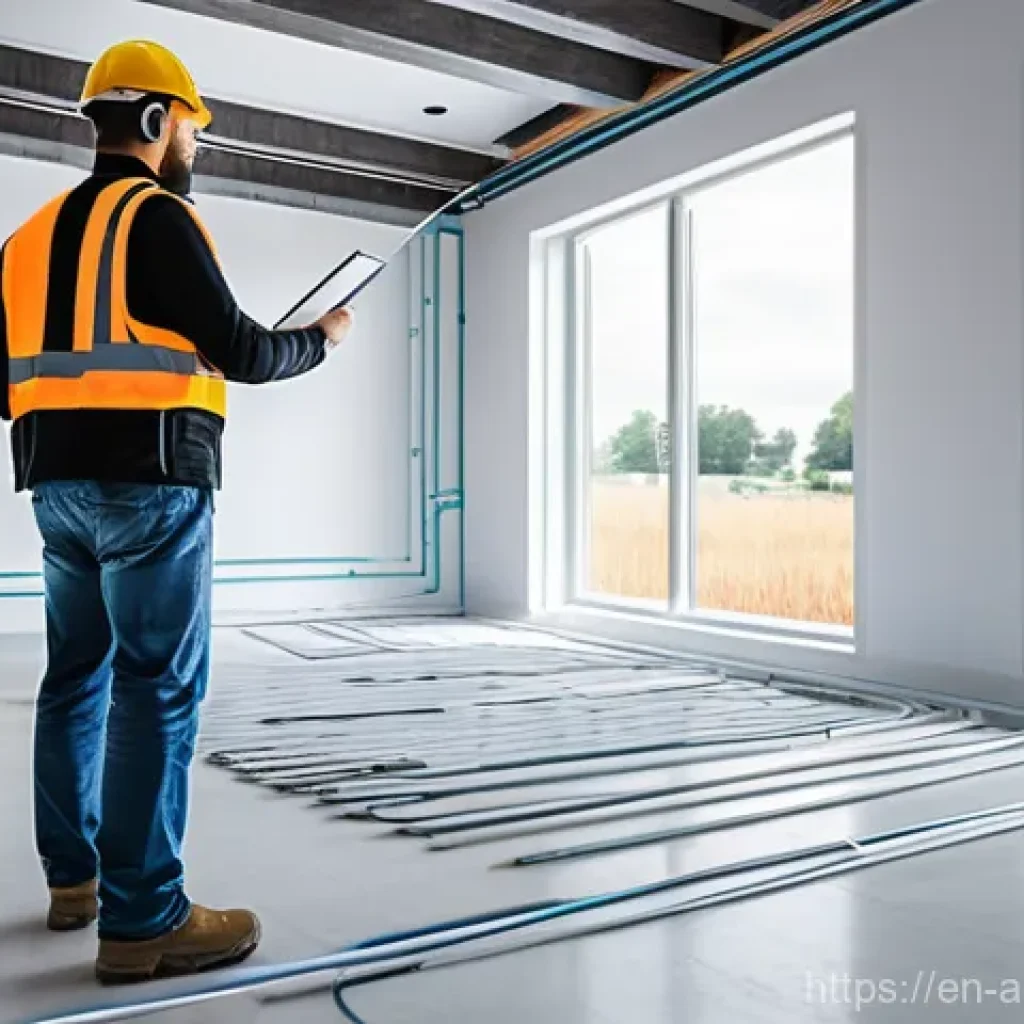
Seriously, don’t underestimate how crucial it is to plan your smart home infrastructure during the design phase. This means thinking about things like robust wiring for high-speed internet throughout the house, not just relying on Wi-Fi alone for everything.
Hardwired connections are always more reliable and faster for essential systems like security cameras or entertainment hubs. I remember a friend who built a beautiful new home but scrimped on the pre-wiring, thinking everything would be wireless.
Fast forward a year, and they were tearing into walls to run Ethernet cables for their expanding smart system because the wireless network just couldn’t keep up with the demands of streaming, gaming, and dozens of connected devices.
Investing in conduits and extra wiring during construction is far less expensive and messy than trying to retrofit later. Think about where you might want smart blinds, automated windows, or even a built-in sound system.
Running the necessary wiring and power outlets during the initial build phase will save you countless headaches and potential expenses down the line, ensuring a clean, efficient, and future-proof setup.
Choosing the Right Central Nervous System for Your Home
Just like our bodies have a central nervous system, a truly smart home needs one too. This is the platform or hub that all your different smart devices communicate with.
You’ve got options like Apple HomeKit, Google Home, Amazon Alexa, or more specialized professional systems like Control4 or Crestron. The key is to pick one that suits your lifestyle and technical comfort level.
Personally, I started with a mix of different platforms, and it quickly became a chaotic mess – devices from one system wouldn’t talk to another, leading to frustration.
After some trial and error, I streamlined everything to a single, robust platform that could integrate almost all my existing devices. This allowed for truly synchronized routines and scenes, like my “Good Morning” command that simultaneously opens the blinds, starts the coffee machine, and tunes into my favorite news podcast.
When you’re designing your architecture, consider where these central hubs might be placed and how they’ll connect to various zones of your home. It’s about creating a unified ecosystem, not just a bunch of individual smart gadgets, so they can work together harmoniously to deliver a truly intuitive and responsive living experience.
Beyond Gadgets: The Brains Behind Your Smart Home
It’s easy to get caught up in the shiny new gadgets when talking about smart homes – the voice assistants, the smart bulbs, the robotic vacuums. But what really separates a truly intelligent home from just a house filled with connected devices is the underlying “brain” or intelligence that orchestrates everything.
We’re talking about sophisticated automation platforms and AI-driven systems that learn your habits, anticipate your needs, and make decisions autonomously to optimize comfort, security, and efficiency.
I remember feeling a bit overwhelmed by all the choices initially, thinking I needed every single new device on the market. But after a few years of living with smart tech, I realized the real magic happens when these individual devices are connected by a smart system that acts as a conductor, making sure every instrument plays in harmony.
This isn’t just about turning lights on when you walk into a room; it’s about your HVAC system learning your preferred temperature patterns throughout the day and adjusting pre-emptively, or your security system recognizing familiar faces and only alerting you to genuine threats.
It’s about moving from reactive control to proactive intelligence, where your home actively contributes to your well-being without constant manual input from you.
The Power of AI-Driven Automation and Machine Learning
The truly revolutionary aspect of modern smart homes is their ability to learn. AI and machine learning are no longer just buzzwords; they’re becoming foundational to how our homes operate.
Imagine your lighting system not just responding to a schedule, but observing how natural light changes throughout the day, and subtly adjusting indoor illumination to maintain a consistent brightness without you ever touching a switch.
Or a climate control system that learns your family’s daily routines, anticipating when you’ll be home and pre-heating or cooling specific zones to perfection, saving energy in the process.
I’ve personally experienced the benefit of this with my smart thermostat. Over a few weeks, it learned our work schedules, weekend habits, and even our preferred “sleep temperature,” and now I rarely have to adjust it manually.
It just *knows*. This deep learning capability allows your home to evolve with your lifestyle, continuously optimizing its performance to provide maximum comfort and efficiency, often leading to noticeable savings on utility bills.
It’s like having a silent, incredibly attentive butler who’s constantly working to make your home life better.
Choosing a Robust and Future-Proof Control System
Selecting the right control system is probably one of the most critical decisions you’ll make when designing a smart home. You want something robust enough to handle all your current devices, but also flexible and scalable enough to accommodate new technologies that will inevitably emerge.
Proprietary systems often offer deeper integration but can lock you into a specific ecosystem. Open-source platforms, while sometimes requiring a bit more technical know-how, offer incredible flexibility and future-proofing.
My advice? Look for systems that support open standards and protocols like Zigbee, Z-Wave, or Matter. These allow a wider range of devices from different manufacturers to communicate seamlessly.
I learned this the hard way with an early smart lock that only worked with a very specific, now-defunct app. It was a nightmare. When I upgraded, I made sure my new system could talk to everything else.
A well-chosen, future-proof control system is the backbone of an intelligent home, ensuring that your investment continues to pay off as technology advances.
It’s about building a home that can adapt and grow with you for decades to come, not just a few years.
Crafting a Connected Ecosystem for Daily Living
Think about your daily routine. From waking up to unwinding in the evening, how many times do you interact with different devices or systems in your home?
A truly connected ecosystem seamlessly links these interactions, making them feel less like separate tasks and more like a fluid, intuitive experience.
This is where architectural design meets lifestyle. It’s not just about having smart devices; it’s about how those devices communicate and cooperate to create a harmonious environment tailored to *your* life.
For instance, my morning routine used to involve fumbling for light switches, then heading to the kitchen to start the coffee, and then checking the weather on my phone.
Now, my smart home takes care of it all. At 6:30 AM, the bedroom lights gently fade on, the coffee maker starts brewing downstairs, and my bathroom mirror displays the day’s forecast.
It’s these small, personalized automations that elevate daily living from mundane to magical. This level of integration requires careful thought during the design phase to ensure that power, network, and control points are precisely where they need to be for maximum impact and minimal clutter.
Seamless Integration for Everyday Convenience
The magic of a smart home really shines when individual devices fade into the background and the *system* just works. This is what seamless integration is all about.
It means your smart lighting understands when you’re leaving a room and turns off automatically, saving energy. It means your garage door opener communicates with your home security system to arm itself when you pull out of the driveway.
I’ve found that the simplest integrations often have the biggest impact on daily convenience. For example, linking my smart doorbell to my living room TV so I can see who’s at the door without getting up, or having my smart locks automatically engage when my security system is armed.
These aren’t flashy, groundbreaking technologies, but they remove tiny frictions from daily life. Architects and designers who understand these nuances can strategically place sensors, speakers, and control panels to maximize this convenience, making your home respond to your presence and habits in a way that feels almost clairvoyant.
Personalized Scenes and Routines for Enhanced Living
One of my favorite aspects of my smart home is the ability to create “scenes” and “routines.” These are essentially pre-programmed sets of actions that occur with a single command or on a schedule.
Think of a “Movie Night” scene that dims the lights, lowers the blinds, turns on the TV to your preferred streaming service, and even adjusts the thermostat for optimal viewing comfort.
Or a “Goodnight” routine that locks all doors, turns off all lights, sets the alarm, and lowers the thermostat. These aren’t just cool party tricks; they genuinely simplify life.
I often use a “Work from Home” scene that adjusts the lighting in my office to cool, bright tones for productivity, and then shifts to warmer, softer light in the evenings.
The level of personalization you can achieve is incredible, allowing you to tailor your home’s environment precisely to your mood and activity. This isn’t just about automating tasks; it’s about orchestrating your entire living space to enhance comfort, productivity, and relaxation, truly making your home a reflection of your ideal lifestyle.
The Art of Energy Efficiency and Sustainable Smart Homes
Beyond just convenience and comfort, one of the most compelling reasons to embrace smart home architecture is its incredible potential for energy efficiency and sustainability.
In an age where we’re all trying to reduce our carbon footprint and save on utility bills, intelligent homes offer practical, powerful solutions. It’s not just about slapping on a few solar panels (though those are great!).
It’s about a holistic approach where every system in your home works together to minimize waste and maximize resource use. I’ve personally seen a significant drop in my energy bills since truly optimizing my home’s smart features.
It’s deeply satisfying to know that my home is not only comfortable but also operating as efficiently as possible. This commitment to sustainability can be integrated into every layer of architectural design, from the choice of building materials to the orientation of the house and the implementation of advanced energy management systems.
Smart homes aren’t just about making *your* life better; they’re about making the *planet’s* future a little brighter too.
Intelligent Climate Control and Lighting Optimization
One of the easiest and most impactful ways a smart home contributes to sustainability is through intelligent climate control and lighting. Forget about leaving the AC running all day while you’re at work, or lights burning in empty rooms.
Smart thermostats learn your schedule, sense occupancy, and integrate with weather forecasts to optimize heating and cooling. Some systems even have geofencing, so they know to start adjusting the temperature when you’re a certain distance from home.
Similarly, smart lighting systems use occupancy sensors, daylight harvesting, and scheduling to ensure lights are only on when and where they’re needed, and at the appropriate brightness.
My own home has exterior lights that dim as dawn approaches and brighten as dusk settles, and interior lights that automatically adjust based on the natural light pouring in through the windows.
This kind of dynamic optimization means your home is always comfortable but never wasteful. The cumulative effect of these small, consistent energy savings can be substantial, both for your wallet and the environment.
Integrating Renewable Energy and Water Management
Taking smart sustainability a step further means integrating renewable energy sources and advanced water management systems into your architectural design.
This could involve solar panels that are seamlessly incorporated into the roofline, not just bolted on top. Smart inverters can then manage the flow of energy, even selling excess power back to the grid.
On the water front, intelligent irrigation systems can use local weather data and soil moisture sensors to water your garden only when necessary, preventing wasteful over-watering.
Even smart leak detection systems can save gallons of water and prevent costly damage by alerting you to a problem immediately. I’ve been exploring rainwater harvesting systems that feed into my smart irrigation, and the potential for closed-loop water usage is genuinely exciting.
These advanced integrations turn your home into a miniature, self-sufficient ecosystem, drastically reducing its reliance on external resources and making a powerful statement about sustainable living.
It’s an investment, for sure, but one that pays dividends for years in terms of both cost savings and environmental impact.
Fortifying Your Fortress: Advanced Smart Security
When we talk about a smart home, security often comes up as one of the top priorities, and for good reason. The peace of mind that comes from knowing your home and loved ones are safe is truly invaluable.
Modern smart home architecture allows for a level of security that goes far beyond traditional alarms, integrating multiple layers of protection that are both sophisticated and incredibly user-friendly.
I’ve had traditional alarm systems in the past, and while they did the job, they often felt clunky and reactive. A truly smart security system, designed into your home’s architecture, is proactive, intuitive, and constantly evolving to meet new threats.
It’s not just about deterring intruders; it’s about providing comprehensive monitoring, smart access control, and even environmental safety features that protect against a wide array of potential dangers, giving you a sense of calm whether you’re at home or thousands of miles away.
Multi-Layered Protection with Integrated Systems
The strength of smart security lies in its integration. Instead of separate systems for doors, windows, and cameras, everything works together as a cohesive unit.
Imagine your smart locks, motion sensors, glass-break detectors, and surveillance cameras all communicating with a central hub. If a window sensor is triggered, not only does an alarm sound, but the indoor lights flash, cameras begin recording and upload footage to the cloud, and you receive an instant notification on your phone.
Some systems even integrate with smart lighting to simulate occupancy when you’re away, further deterring potential threats. I personally love the smart doorbell camera, which lets me see and speak to visitors from anywhere, even if I’m not home.
It’s such a simple feature but incredibly powerful for screening visitors and packages. This multi-layered approach ensures that your home is protected from every angle, providing redundant safeguards that make it incredibly difficult for unauthorized access.
Smart Access Control and Environmental Monitoring
Beyond intruder detection, smart security systems also offer incredible benefits in access control and environmental monitoring. Smart locks, for instance, allow you to grant temporary access to visitors or service providers with unique codes, revoke access at any time, and receive notifications every time the door is locked or unlocked.
No more worrying about lost keys or needing to change locks! Then there’s environmental monitoring. Modern smart homes can integrate smoke, carbon monoxide, and even water leak detectors that not only sound an alarm but also send alerts to your phone, automatically shut off water mains, or even call emergency services.
I once received an alert about a water leak in my basement while I was on vacation, and my system automatically shut off the main water valve, saving me from a potentially disastrous flood.
This proactive monitoring extends protection beyond just crime, safeguarding your home from internal threats that can be just as damaging.
Future-Proofing Your Investment: Scalability and Updates
One of the biggest concerns I hear from people considering smart home technology is, “Won’t it be outdated in a year?” It’s a valid question, given how rapidly technology evolves.
However, smart architectural design isn’t just about installing the latest gadgets; it’s about building a foundation that can adapt and grow with future innovations.
Future-proofing your investment means thinking about scalability, interoperability, and ease of updates. You don’t want to be stuck with a system that can’t communicate with new devices or requires a complete overhaul every few years.
My advice, from personal experience, is to prioritize open standards and modular design. This foresight ensures that your smart home remains cutting-edge and continues to serve your needs without requiring constant, expensive upgrades.
It’s about building a living, evolving ecosystem, not a static monument to yesterday’s technology.
Designing for Scalability and Modular Upgrades
When you’re laying the groundwork for your smart home, think about it like building blocks. You want a system that allows you to add new features and devices easily, without disrupting the entire setup.
This is where modularity comes in. Instead of a monolithic, all-in-one system that’s hard to modify, opt for components that can be individually upgraded or replaced.
For instance, rather than hard-wiring every single light fixture to a proprietary system, use smart bulbs or smart switches that communicate wirelessly via open protocols.
This way, if a new, more efficient lighting technology comes along, you can swap out individual components without redoing your entire electrical system.
I’ve personally upgraded various sensors and controllers in my home over the years, and the ability to do so without significant renovation has been a huge cost-saver.
Designing for scalability also means anticipating future needs – perhaps a home office, a growing family, or new entertainment zones – and ensuring your network and power infrastructure can support these additions gracefully.
Embracing Open Standards and Over-the-Air Updates
The key to longevity in smart home tech is embracing open standards and prioritizing devices that support over-the-air (OTA) updates. Open standards (like Matter, Zigbee, Z-Wave) mean that devices from different manufacturers can communicate with each other, giving you far more flexibility in choosing components and avoiding vendor lock-in.
This is paramount for future compatibility. Equally important are devices that receive regular OTA firmware updates. These updates often bring new features, security patches, and performance improvements, effectively making your existing hardware better over time.
I always check if a smart device offers consistent software support before I buy it. It’s like getting free upgrades! My smart hub, for example, has received several major updates that have added compatibility with new device types and improved automation capabilities.
This continuous improvement ensures that your smart home system remains relevant and secure, protecting your initial investment and keeping your home at the forefront of technological innovation for years to come.
| Smart Home Architectural Integration Benefits | Description | Real-World Impact |
|---|---|---|
| Enhanced Energy Efficiency | Intelligent control of climate, lighting, and appliances based on occupancy, schedule, and external conditions. | Up to 20-30% reduction in monthly utility bills, lower carbon footprint. |
| Superior Security & Safety | Integrated systems (locks, cameras, sensors) provide proactive monitoring, smart access, and immediate alerts for threats. | Increased peace of mind, reduced risk of burglaries, early detection of hazards like fires or water leaks. |
| Unmatched Convenience & Comfort | Automated routines, personalized scenes, and voice control simplify daily tasks and tailor the environment. | Time-saving, reduced daily friction, customized ambiance for different moods/activities. |
| Future-Proofing & Scalability | Use of open standards, modular design, and robust infrastructure for easy integration of new technologies. | Protects investment, avoids costly overhauls, allows home to evolve with technological advancements. |
| Increased Property Value | Homes with integrated smart technology are often more appealing to buyers looking for modern amenities. | Higher resale value and marketability, positioning your home as a desirable, contemporary dwelling. |
Personalizing Your Digital Dwelling: Customization and Comfort
At the end of the day, a smart home should feel like *your* home, optimized precisely for *your* preferences and comfort. This isn’t about fitting into a pre-made smart home mold; it’s about customizing the technology to enhance your unique lifestyle.
Architectural design plays a huge role here, because how a home is built can greatly influence how effectively smart tech can be tailored. From subtle lighting adjustments that match your mood to climate zones that cater to individual family members’ preferences, the possibilities for personalization are truly endless.
I’ve spent countless hours tweaking my own home’s settings, and that’s the beauty of it – it’s a living, breathing space that evolves with you. It’s about creating an environment that intuitively responds to your presence and preferences, making your digital dwelling not just intelligent, but deeply personal and supremely comfortable.
Tailoring Environments to Your Mood and Needs
Imagine walking into a room and having it automatically adjust to your preferred settings. This isn’t science fiction anymore; it’s the reality of a personalized smart home.
Whether you need bright, cool light for focused work in your home office, or warm, dim light with soft music for relaxation in the evening, your home can be programmed to switch between these “moods” effortlessly.
I’ve set up different lighting and sound profiles for various activities throughout my day – a vibrant, energizing scene for my morning workout, a calm, focused environment for reading, and a cozy, inviting atmosphere for family dinners.
This level of environmental control is incredibly powerful for enhancing well-being and productivity. Architects can strategically place smart lighting fixtures, speakers, and even scent diffusers to maximize these personalized experiences, ensuring every corner of your home can be transformed with a simple voice command or tap on an app.
It’s about empowering you to curate your living space to match exactly how you feel and what you need at any given moment.
Accessibility and Inclusivity in Smart Design
Beyond personal preferences, smart home design has a profound impact on accessibility and inclusivity, making homes more livable for everyone. Features like voice control can be a game-changer for individuals with mobility challenges, allowing them to control lights, thermostats, and entertainment systems without physically interacting with switches or remotes.
Automated doors, smart blinds, and adjustable countertops can be integrated into the architecture to provide greater independence. I’ve seen some incredible examples of smart homes designed specifically for seniors or individuals with disabilities, where the technology truly empowers them to live more comfortably and safely.
Even simple automations, like motion-activated lighting in hallways, can prevent falls. When designing a smart home, considering these aspects not only broadens its appeal but also makes it a truly compassionate and functional space for all inhabitants, regardless of their physical abilities.
It’s about using technology to remove barriers and create a home that is welcoming and empowering for everyone.
Wrapping Things Up
Whew! We’ve covered a lot of ground today, haven’t we? It’s truly incredible to see how far smart home technology has come, transforming our living spaces into intelligent, responsive environments. What I really want you to take away from all this is that integrating smart tech into your home, especially during the architectural design phase, isn’t just about cool gadgets; it’s about crafting a future-proof, efficient, secure, and deeply personalized sanctuary. It’s an investment in your comfort, peace of mind, and even the planet. I know it can seem like a lot to navigate, but by thinking smart from the start, you’re not just building a house; you’re creating a home that genuinely understands and anticipates your needs, making daily life feel a little bit more like magic every single day.
Useful Information to Know
Here are some quick pointers to keep in mind as you embark on your smart home journey, based on my experiences and what’s really making a difference right now:
1. Prioritize Robust Network Infrastructure Early: Your Wi-Fi network is the literal backbone of your smart home. Invest in a strong router (like Wi-Fi 6 or 7 mesh systems) and consider hardwiring key devices with Ethernet cables during construction to ensure stable, fast connections, especially if you have a large home or many devices. This foresight will save you countless headaches and potential retrofitting costs down the line.
2. Choose a Centralized, Open-Standard Eco
3. Integrate for Energy Efficiency from Day One: Smart homes offer significant potential for reducing energy consumption and utility bills. Plan for intelligent climate control (smart thermostats) and lighting (occupancy sensors, daylight harvesting) to be integrated into your home’s design from the start. This allows your home to learn your habits and optimize energy use automatically, leading to substantial savings.
4. Layer Your Security for Ultimate Peace of Mind: Modern smart security goes beyond simple alarms. Design a multi-layered system that integrates smart locks, surveillance cameras, motion sensors, and environmental detectors (smoke, CO, water leaks). Ensure these systems communicate with each other and provide remote monitoring and alerts for comprehensive protection.
5. Design for Scalability and Future-Proofing: Technology evolves rapidly, so plan for your smart home to grow with it. Incorporate modular design, ample conduits, and structured wiring (like CAT6 or higher Ethernet cables) into your architectural plans. This foresight ensures you can easily add new devices and upgrade systems without costly renovations, protecting your long-term investment.
Key Takeaways
In essence, designing a smart home isn’t just about adding technology; it’s about fundamentally enhancing your living experience. By integrating smart solutions from the architectural blueprint stage, you unlock unparalleled benefits in convenience, security, and sustainability. This proactive approach ensures a cohesive, intelligent living space that adapts to your needs, remains relevant with evolving technology, and ultimately adds significant value to your property. It’s about building a home that’s truly connected, not just with devices, but with your lifestyle and the future itself. Imagine a home that genuinely contributes to your well-being, proactively making your life smoother and more enjoyable – that’s the real power of smart architectural integration.
Frequently Asked Questions (FAQ) 📖
Q: Okay, so when you talk about ‘smart architectural design,’ what does that actually mean for my everyday life? Is it just fancy gadgets, or is there more to it?
A: That’s a fantastic question that I hear all the time! When I first started diving into this world, I used to think it was just about having the latest speaker or a smart lightbulb, but boy, was I wrong.
What we’re seeing now with smart architectural design is a complete shift from simply adding cool tech to genuinely integrating it into the very bones of your home.
Think of it less like individual toys and more like your home having its own intelligent nervous system. For me, the biggest game-changer has been how it anticipates my needs.
My climate control learns my family’s routines, so the house is always perfectly comfortable when we get home, without me ever touching a thermostat. And the energy savings?
Absolutely real! My utility bills have seen a noticeable drop because the system isn’t just mindlessly heating or cooling an empty house. It’s about seamless living, where your home actively works to make your life easier, safer, and more efficient, without you even realizing it’s happening.
It’s truly transformative.
Q: This sounds amazing, but honestly, it also sounds expensive and complicated. How do I even begin to plan for something like this, especially if I’m on a budget or just renovating?
A: I totally get that concern! It’s easy to look at these incredible smart homes in magazines and think it’s out of reach, but that’s really not the case anymore.
In my experience, the key isn’t to try and do everything at once, but to start with what truly matters most to you and your lifestyle. If you’re renovating, that’s actually an ideal time to lay the groundwork.
Things like pre-wiring for future tech, even if you’re not installing it immediately, can save you a ton of hassle and cost down the line. I always advise my friends to pick one or two areas where they feel they’d get the most immediate benefit.
Maybe it’s a robust security system that gives you peace of mind, or perhaps a smart lighting system that drastically cuts down on energy waste. I personally started with smart lighting and a good hub, and then slowly added things over time.
It’s about building a foundation, not buying every gadget on day one. And trust me, the long-term value, both in terms of energy savings and the sheer convenience, often outweighs the initial investment.
You’re essentially future-proofing your home.
Q: You mentioned sustainability and intuitive interfaces. Can smart architecture really make a big difference in how eco-friendly my home is, and is it actually easy to use, or will I be constantly fiddling with apps?
A: Absolutely, this is one of my favorite aspects to talk about! Smart architecture is a total game-changer for eco-friendliness, and no, you won’t be constantly battling with apps – at least not with the good systems!
From my perspective, sustainability is where smart homes really shine. Think about it: an intelligent system isn’t just about turning lights on and off; it’s about optimizing everything.
My own home, for example, uses smart window coverings that automatically adjust to block harsh summer sun or let in natural warmth during winter, drastically reducing my reliance on heating and AC.
The AI-powered climate control learns local weather patterns and my family’s preferences to run as efficiently as possible, often using passive methods before kicking in the energy-intensive ones.
And regarding ease of use, that’s where “intuitive user interfaces” come in. The best systems are designed to be almost invisible. They learn your habits, respond to your voice, or even simple gestures, integrating seamlessly into your daily flow.
It feels less like operating a complex system and more like your home is just naturally aligned with your needs, effortlessly adapting to create the perfect environment while secretly saving the planet, one efficient adjustment at a time.
It’s truly magic!