Architectural Genius Unveiled Dissecting Top Competition Winning Designs

webmaster

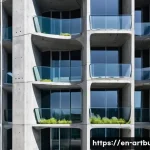
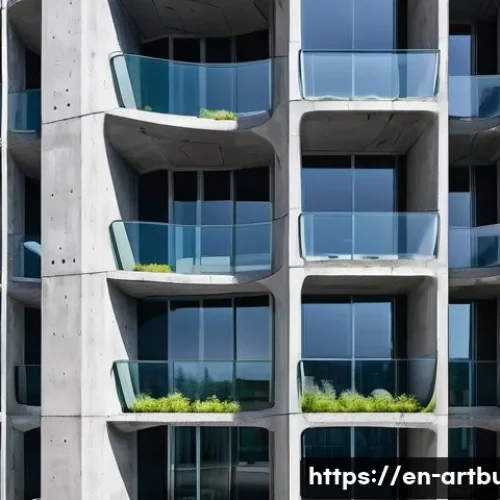
건축 공모전 수상작 분석 - **Sustainable and Biophilic Urban Oasis:**
    "An award-winning, ultra-modern architectural buildin...

Hey there, fellow design enthusiasts and future shapers! It’s your favorite English blog influencer dropping in, and today we’re diving headfirst into something truly captivating: the world of architectural competition winners.

I’ve always been fascinated by how these awards not only celebrate incredible talent but also act as a crystal ball, showing us exactly where the industry is heading.

When I look at the sheer ingenuity and passion poured into these submissions, it just lights me up! Lately, I’ve noticed a massive shift – it’s less about just eye-catching aesthetics and more about deeply impactful solutions.

Think less ‘stunning skyscraper’ and more ‘sustainable, community-focused hub’. We’re seeing a huge emphasis on adaptive reuse, where old buildings are given a vibrant new lease on life, and designs that are incredibly resilient in the face of our ever-changing climate.

And let’s not even get started on how AI is completely transforming the design process itself, making it faster and pushing creative boundaries in ways we never imagined a few years ago.

It’s honestly mind-blowing to see how architects are leveraging these new tools, even exploring text-to-3D models that could revolutionize visualization.

These competitions aren’t just about winning a prize; they’re about pioneering solutions that address real-world challenges like chronic homelessness and social equity.

It makes you wonder, doesn’t it, what incredible structures and solutions are just around the corner? So, if you’re as excited as I am to peek behind the curtain and understand the latest trends and what truly makes a winning design stand out in today’s dynamic architectural landscape, you’re in the right place.

Let’s explore this in detail!

The Resurgence of Sustainable and Biophilic Design

건축 공모전 수상작 분석 - **Sustainable and Biophilic Urban Oasis:**
    "An award-winning, ultra-modern architectural buildin...

Embracing Nature in Urban Landscapes

Beyond Greenwashing: True Environmental Stewardship

Honestly, when I first started following architectural competitions years ago, sustainability felt like a buzzword often tacked on, almost an afterthought. But oh, how things have changed! What I’m seeing now, and it genuinely excites me, is a profound commitment to environmental stewardship woven into the very fabric of winning designs. It’s no longer just about adding a green roof; it’s about deeply integrated biophilic principles that connect occupants with nature on a fundamental level. Think about structures that breathe, that harvest rainwater, that generate their own energy, and even purify the air around them. I remember visiting a recent award-winning community center that utilized a stunning passive ventilation system, relying on natural air currents and strategically placed flora. Walking through it, you didn’t just feel cool; you felt a sense of calm, a connection to the natural world right in the heart of the city. Architects are truly pushing the boundaries, using innovative materials like mycelium composites and recycled aggregates, making sustainability a core aesthetic and functional element rather than a separate amenity. It’s about creating spaces that are not only less damaging to the planet but actively contribute to its healing and regeneration, offering a holistic approach that warms my eco-conscious heart. This shift isn’t just about compliance; it’s about pioneering new ways of living and working that are inherently harmonious with our environment, something I genuinely believe is critical for our future.

Adaptive Reuse: Breathing New Life into Old Structures

The Art of Transformation and Legacy

Economic and Environmental Benefits of Reimagining Space

One trend that has absolutely captivated me is the incredible ingenuity displayed in adaptive reuse projects. It’s like watching an old soul find a vibrant new purpose, and I find that deeply inspiring. Architects are no longer just tearing down and starting fresh; they’re looking at existing structures with a keen eye, seeing potential where others might only see decay. I recently followed a competition where an old industrial factory, slated for demolition, was transformed into a bustling mixed-use complex with artist studios, co-working spaces, and even a vertical farm. The winning design preserved so much of the original character – the exposed brick, the colossal windows – while injecting a completely modern functionality. It really highlights the beauty of blending history with contemporary needs. From an economic standpoint, it often makes so much sense, reducing construction waste and preserving the embodied energy within those old buildings. But for me, it’s more than just economics or environmental impact; it’s about storytelling, about respecting the past while boldly stepping into the future. These projects often foster a stronger sense of community because they retain a connection to the area’s history, giving people a tangible link to what came before. It’s truly a testament to creative vision, turning what some might consider a blight into a beacon of renewal, and I absolutely adore seeing these transformations celebrated.

Advertisement

Community-Centric Architecture: Beyond Bricks and Mortar

Designing for Social Equity and Inclusion

Public Spaces that Foster Connection and Belonging

What truly lights me up in the architectural world right now is the undeniable emphasis on community-centric design. We’re moving beyond mere aesthetics and into spaces that genuinely serve people, fostering a sense of belonging and addressing real social needs. I’ve seen winning entries for projects that tackle chronic homelessness with dignity-focused micro-housing, and others that reimagine public parks as vibrant hubs for intergenerational interaction. It’s not just about building structures; it’s about building social infrastructure. I remember a winning proposal for a new library in an underserved neighborhood – it wasn’t just a place for books, but a true community living room, complete with workshops for vocational training, performance spaces for local artists, and even a communal kitchen. The architects really listened to the residents, understanding their needs and desires, making them active participants in the design process. This participatory approach, I believe, is absolutely crucial. These projects demonstrate a deep understanding of social equity, ensuring that high-quality design isn’t just for the privileged few but for everyone. It’s about creating inclusive environments where every individual feels seen, valued, and connected, and honestly, that’s the kind of architecture that truly moves me and makes a lasting, positive impact on people’s lives.

Design Principle Key Focus Example Impact
Sustainable Integration Energy efficiency, renewable materials, biophilic design Reduced carbon footprint, enhanced user well-being, lower operating costs
Adaptive Reuse Repurposing existing structures, heritage preservation Minimized construction waste, cultural continuity, revitalized urban areas
Community Engagement Inclusive design, public spaces, social programs Stronger community bonds, improved social equity, accessible amenities
Climate Resilience Flood/fire resistance, climate adaptation, passive strategies Protection from extreme weather, long-term durability, reduced disaster risk
Technological Advancement AI-driven design, parametric modeling, digital fabrication Optimized performance, complex geometries, accelerated design process

Tech-Driven Innovation: AI, Parametricism, and Beyond

AI as a Design Partner: From Concept to Construction

Pushing Creative Boundaries with Computational Tools

Okay, let’s talk tech, because this is where things are getting seriously mind-blowing! When I first heard about AI in architecture, I admit I was a little skeptical, fearing it might stifle creativity. But what I’m seeing in winning designs today completely blows that notion out of the water. AI isn’t replacing the architect; it’s empowering them to explore possibilities at a speed and scale that were unimaginable just a few years ago. We’re talking about algorithms that can optimize structural integrity, analyze energy performance, or even generate thousands of design iterations based on specific parameters. I recently saw a competition entry where the team used AI to create incredibly intricate, self-supporting facade elements that mimicked natural forms – something that would have taken years to model manually. And parametric design? It’s like giving designers superpowers, allowing them to create complex geometries and respond fluidly to changes. I mean, text-to-3D models? That’s not just a cool gimmick; that’s a potential revolution in how we visualize and iterate designs, making the initial conceptual stages so much more dynamic. It allows for a level of customization and responsiveness that really pushes creative boundaries. It’s truly exciting to see architects leveraging these sophisticated tools, not just for efficiency, but to unlock completely new aesthetic and functional possibilities, creating designs that are both innovative and deeply considered, showing us a glimpse into the future of architectural practice.

Advertisement

Designing for Resilience in a Changing Climate

건축 공모전 수상작 분석 - **Adaptive Reuse: Industrial Heritage Reimagined:**
    "A stunning example of adaptive reuse: a gra...

Preparing for the Unpredictable: Climate-Responsive Architecture

Innovative Strategies for Flood, Fire, and Extreme Weather

The urgency of climate change is something architects are responding to with incredible creativity, and it’s a major theme in many award-winning projects. It’s no longer enough to just design a building; we need to design buildings that can withstand and adapt to increasingly extreme weather events. I’ve been fascinated by projects that integrate sophisticated flood mitigation systems, like permeable landscapes and elevated structures, or designs for wildfire-prone areas that use fire-resistant materials and defensible spaces without compromising on beauty. I recall one particularly ingenious proposal for a coastal community that involved a modular, elevated housing system designed to be easily reconfigured or even relocated in response to rising sea levels. It wasn’t just practical; it was beautiful, embodying a profound respect for both human life and the natural environment. These designs aren’t about fearing the future; they’re about proactively shaping it, ensuring that our built environment can protect us and endure. It’s about designing for robustness, yes, but also for adaptability and even regeneration. Architects are really stepping up to this monumental challenge, offering solutions that are not only functional but also elegantly integrated into their surroundings, providing a beacon of hope and practical ingenuity in the face of environmental uncertainties. It’s a field where innovation truly feels like a necessity, and it’s inspiring to see the level of thought and foresight going into these resilient designs.

The Human Touch: Empathy and Social Impact in Design

Architecture as a Catalyst for Positive Change

Crafting Spaces that Nurture Well-being

Beyond all the technological marvels and sustainable innovations, what truly resonates with me, and I believe with the juries of these competitions, is the undeniable human element. Winning designs often stand out because they are deeply empathetic, crafting spaces that genuinely improve lives and foster well-being. It’s not just about grand statements; it’s about understanding the nuanced needs of individuals and communities. I’ve seen incredible projects for healthcare facilities that prioritize natural light and calming aesthetics, designed to accelerate healing and reduce stress for patients and staff alike. There was one competition entry for a children’s museum that absolutely blew me away with its thoughtful integration of inclusive play areas for children of all abilities, fostering a sense of wonder and accessibility for everyone. These architects aren’t just thinking about form and function; they’re thinking about how a space makes you feel, how it impacts your daily routines, and how it contributes to your overall happiness. It’s about creating environments that nurture, inspire, and connect people on a profoundly human level. This focus on social impact and empathy is, in my opinion, what elevates good design to truly great design, demonstrating that architecture has an immense power to shape not just our surroundings but also our spirits and our interactions with the world around us. It’s a reminder that at the core of every great building is a deep understanding of human experience.

Advertisement

Global Perspectives: Diverse Voices in Architectural Excellence

Celebrating Cultural Context and Local Materials

Emerging Talents and Underrepresented Narratives

One of the most exciting aspects of following international architectural competitions is the sheer diversity of perspectives and approaches that come to the forefront. It’s a wonderful reminder that brilliant design isn’t confined to any single region or architectural school; it’s a global language. I’ve been incredibly impressed by projects that deeply engage with their specific cultural contexts, drawing inspiration from local traditions, craftsmanship, and materials, rather than imposing a universal, generic style. For example, a winning design from a competition focused on revitalizing a historic district in Southeast Asia beautifully blended traditional timber construction techniques with modern seismic engineering, creating a structure that felt both ancient and cutting-edge. It wasn’t just an architectural achievement; it was a cultural celebration. Moreover, these competitions are increasingly becoming platforms for emerging talents and voices from underrepresented communities, bringing fresh ideas and challenging established norms. This influx of diverse narratives enriches the entire field, pushing the boundaries of what architecture can be and what challenges it can address. It truly makes me optimistic to see how these awards are shining a spotlight on innovative solutions that resonate globally, yet are deeply rooted in their local contexts, proving that the most impactful designs often come from a place of profound cultural understanding and respect. It’s a vibrant tapestry of global creativity, and I love seeing it unfold!

Wrapping Up

Well, what an incredible journey we’ve taken through the dynamic world of architecture! Reflecting on these trends, from the deeply integrated sustainability of biophilic designs to the empathetic core of community-centric spaces, and the breathtaking innovation of tech-driven tools, it’s clear that architecture is more than just constructing buildings; it’s about shaping our future, our communities, and our planet. What I’ve personally learned from diving into these award-winning projects is that the most impactful designs aren’t just visually stunning; they are thoughtful, resilient, and profoundly human. They speak to our collective aspirations for a better, more connected, and more sustainable world. It’s truly inspiring to see how architects are pushing boundaries, not just in aesthetics but in ethical responsibility, creating spaces that genuinely enhance our lives and leave a positive legacy for generations to come. I hope this glimpse into the cutting edge has sparked as much excitement in you as it has in me! Keep an eye out, because the built world around us is evolving faster than ever, and it’s a beautiful thing to witness.

Advertisement

Helpful Tips You’ll Want to Know

1. Look for Local Gems: When you’re traveling or even exploring your own city, take a moment to notice adaptive reuse projects. You might be surprised by the hidden histories and innovative transformations in old factories, warehouses, or even churches. They often host fantastic local businesses or cultural hubs.

2. Support Sustainable Practices: If you’re undertaking a renovation or new build, even on a small scale, prioritize sustainable materials and energy-efficient solutions. Small choices, like opting for locally sourced timber or installing low-flow fixtures, make a big collective difference.

3. Engage with Community Spaces: Make an effort to visit and support community-centric architectural projects in your area, whether it’s a new library, a revitalized park, or a co-working space designed for collaboration. These spaces are often the heartbeat of a neighborhood and thrive on public participation.

4. Embrace Biophilic Elements at Home: You don’t need a starchitect to bring nature indoors. Incorporate plants, maximize natural light, or even choose materials that mimic natural textures. Even a small balcony garden or a sunny reading nook can boost your well-being.

5. Stay Curious About Innovation: Follow architectural news and design blogs to keep up with the incredible technological advancements. AI and parametric design aren’t just for professionals; understanding their potential helps us appreciate the complexity and ingenuity behind modern structures, giving us a peek into what’s next.

Key Takeaways

My biggest takeaway from exploring these architectural advancements is a powerful sense of optimism for our built environment. We’re seeing a profound shift towards designs that are not only beautiful but also deeply purposeful, reflecting a greater global consciousness. Architects are no longer just dreamers; they are problem-solvers, leveraging cutting-edge technology and a deep understanding of human needs to create spaces that are resilient, sustainable, and socially equitable. It’s a holistic approach that truly excites me, showing how design can be a powerful force for positive change in the face of climate challenges and evolving social dynamics. The emphasis on user experience, environmental responsibility, and community engagement tells me that the future of architecture is not just about iconic structures, but about creating meaningful places that genuinely improve our lives and foster a deeper connection with both nature and each other. This thoughtful integration of innovation, empathy, and ecological wisdom is what defines excellence in design today, making our world a more thoughtful and livable place.

Frequently Asked Questions (FAQ) 📖

Q: What are the absolute latest trends defining winning architectural competition entries right now?

A: Oh, this is such a fantastic question, and one I’ve been pondering a lot lately! If you’d asked me a few years ago, I might have talked about grand, sculptural forms or cutting-edge materials purely for aesthetic wow-factor.
But honestly, the conversation has completely shifted. What I’ve seen consistently topping the lists in recent competitions boils down to a few key areas that are deeply intertwined with our world’s current challenges.
First off, sustainability and climate resilience aren’t just buzzwords anymore; they’re non-negotiable foundations. We’re talking about designs that genuinely integrate passive heating and cooling, innovative water harvesting systems, and materials with minimal carbon footprints.
It’s not enough to look green; it has to be green, from conception to construction and beyond. Then there’s adaptive reuse – giving existing structures a vibrant, new lease on life.
This trend totally speaks to me because it’s not just eco-conscious but also respects history and urban fabric. Instead of tearing down, architects are finding ingenious ways to transform old factories into dynamic community hubs or historic buildings into modern, mixed-use spaces.
It’s like a puzzle, but with real buildings, and the solutions are often breathtakingly clever. Finally, I’m seeing a massive push towards human-centric and community-focused designs.
It’s less about individual glory and more about how a building serves its people, fosters social equity, and strengthens neighborhoods. Think multi-generational housing, accessible public spaces, and designs that genuinely respond to local needs and cultures.
It’s truly inspiring to see how architects are becoming storytellers, crafting spaces that foster connection and well-being.

Q: How is

A: rtificial Intelligence (AI) influencing the design process and impacting how architectural competitions are judged? A2: This is where things get super exciting, and, if I’m being honest, a little bit mind-bending!
When AI first started popping up in architectural conversations, I think many of us imagined it as something purely futuristic or even intimidating. But what I’ve witnessed firsthand is its incredible potential as a collaborator and an accelerator.
For designers, AI is becoming an indispensable tool for everything from initial concept generation to optimizing complex structural elements. Imagine feeding an AI specific parameters – say, maximum daylight, minimal material use, and a challenging site topography – and having it generate hundreds, if not thousands, of design variations in minutes.
This frees up architects to explore ideas that would take months manually, pushing the boundaries of creativity and efficiency. I’ve even seen how text-to-3D models are revolutionizing visualization, allowing for incredibly rapid prototyping and iteration.
It’s not about AI replacing human creativity; it’s about amplifying it, allowing architects to focus on the big-picture vision and the emotional impact of their work.
From a judging perspective, AI is subtly shifting expectations. While the core values of innovation, impact, and aesthetics remain, judges are increasingly impressed by projects that demonstrate a sophisticated integration of technology, especially when it leads to genuinely novel solutions or significantly improved performance.
Designs that show how AI was used to achieve unprecedented sustainability metrics, optimize user flow in complex buildings, or even create entirely new spatial experiences are definitely catching their eye.
It’s like architects are speaking a new design language, and AI is a powerful dialect within it. It’s definitely raising the bar for what’s possible!

Q: Beyond stunning visuals, what truly makes an architectural project stand out and win a major competition today?

A: You’ve hit on such a crucial point here, because while a gorgeous render can initially grab attention, it’s rarely enough to secure a win in today’s fiercely competitive landscape.
From my vantage point, having followed these competitions for ages, what truly distinguishes a winning project is its ability to tell a compelling story and offer profoundly impactful solutions to real-world problems.
It’s no longer just about creating a beautiful object; it’s about creating meaningful places. Judges are looking for designs that demonstrate deep understanding and empathy.
Does the project address chronic homelessness with dignity and innovation? Does it foster social cohesion in a fractured community? Is it a beacon of resilience in a climate-vulnerable region?
The “why” behind the design is just as important as the “what.” I’ve seen projects that might not be the flashiest, but their profound social impact or groundbreaking approach to environmental challenges absolutely blew the jury away.
Another critical factor is innovation, not just for innovation’s sake, but practical, thoughtful innovation. This could be in material science, construction techniques, or even new models of community engagement that inform the design process itself.
Is the design pushing boundaries in a way that’s replicable, scalable, or truly sustainable long-term? And finally, there’s the element of experience and thoughtfulness.
Does the architect demonstrate a deep understanding of the site, its history, its culture, and the people who will inhabit or interact with the space?
It’s about creating environments that aren’t just visually appealing, but also functional, inspiring, and deeply connected to their context. It’s about designing solutions that resonate on multiple levels, making a lasting positive difference in the world.

Advertisement